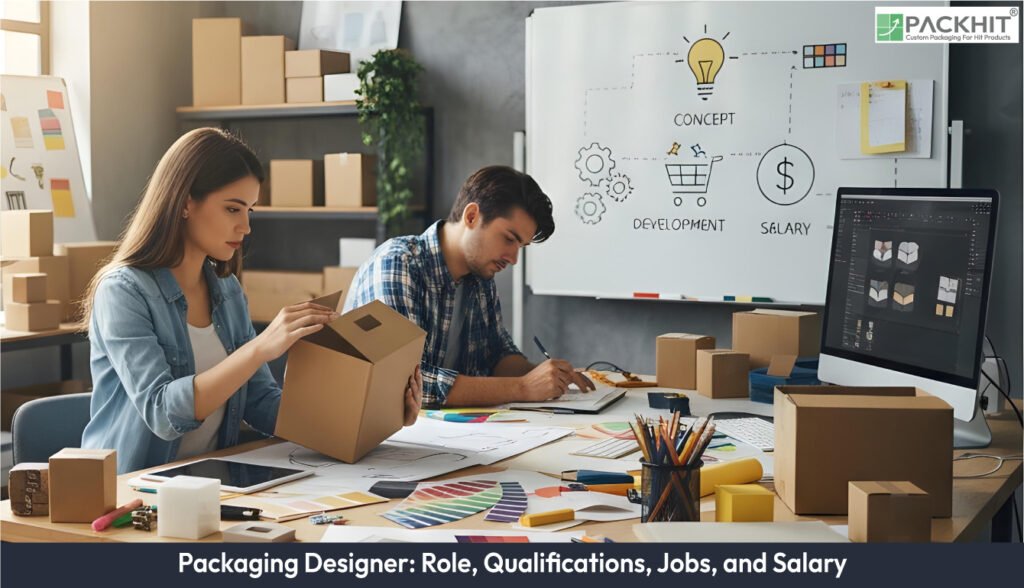
A packaging designer shapes both the look and function of a product’s packaging, creating systems that protect, transport, and present goods while communicating brand identity. The role of a package design expert blends creativity, technical knowledge, and strategic thinking, influencing everything from consumer perception to manufacturing efficiency. Professionals typically enter the field through formal design education and hands-on experience with materials, production processes, and prototyping. Career paths of a packaging designer expand from junior design tasks to senior responsibilities, with responsibilities expanding according to experience, expertise, and alignment with brand and business objectives. Compensation of packaging designers reflects expertise and industry, with earnings varying by experience, sector, and location.
- Who is a Packaging Designer?
- What is the Role of a Packaging Designer?
- 1. Visual and Graphic Control
- 2. Structural and Material Design
- 3. Production Alignment and Testing
- 4. Workflow and Collaboration
- What Qualifications are Required to Become a Packaging Designer?
- What is the Career Path for Packaging Designers?
- Junior Packaging Designer
- Senior and Lead Packaging Designer
- What Career Roles and Opportunities Exist for Packaging Designers?
- What is the Salary Range of Packaging Designers?
Who is a Packaging Designer?
A packaging designer is a design professional responsible for creating visual and structural elements for a packaging container. The role of a packaging design expert spans both visual and physical systems, encompassing graphics, typography, and colour specification, alongside structural design, material selection, and finishing techniques. Unlike purely graphic roles, packaging design operates within strict manufacturing tolerances, material performance limits, logistics and transit stresses, and the physical constraints of shelf display and retail handling. The designer works across branding, marketing, and product development rather than within a single isolated design category.
What is the Role of a Packaging Designer?
The central responsibility of a packaging designer is to create packaging that shapes both product perception and product use. Visual systems convey brand identity and mandatory information, while structural decisions determine protection, opening behaviour, storage efficiency, and end-of-life handling. All elements must remain manufacturable within defined cost, volume, and timeline constraints.
1. Visual and Graphic Control
Packaging designers specify graphics, fonts, colour systems, and layout hierarchies that translate brand guidelines into physical form. These decisions determine shelf recognition and advertising effectiveness. Print tolerances, colour consistency across substrates, and legibility under retail lighting conditions are treated as production variables rather than aesthetic abstractions.
2. Structural and Material Design
Structural packaging design addresses how a product is enclosed and supported. Designers select board grades, plastics, or composites to balance durability and weight, reducing transport mass without compromising protection. Poor structural definition, particularly an inaccurate or absent dieline, often results in production errors, wasted material, and delayed launches.
3. Production Alignment and Testing
Before release, packaging designs pass through feasibility testing to confirm assembly, strength, and performance. Successful concepts then move to final design verification testing. The staged approach reduces costly revisions during mass production and builds confidence in real‑world performance.
4. Workflow and Collaboration
Packaging designers collaborate with clients, marketers, engineers, and manufacturers. Project work typically begins with a design brief that defines budget, timeline, and brand requirements. Throughout development, packaging designers consult on feasibility and coordinate revisions to maintain alignment with production capabilities.
What Qualifications are Required to Become a Packaging Designer?
A packaging designer typically holds a degree in packaging design, graphic design, or industrial design, supported by practical experience with production files, materials, and print processes. Entry into the profession commonly follows formal education in packaging design, graphic design, or related design disciplines. Coursework usually covers typography, colour theory, structural design principles, and materials, combined with exposure to manufacturing processes and sustainability considerations.
Learning package designing does not stop after graduation. Packaging designers must keep up with changing industry standards, new printing technologies, and updated regulations. Practical experience with production artwork, dielines, and prototyping is essential, especially when working with consumer products where scale, compliance, and consistency matter.
Core Skills and Competencies
Effective packaging designers balance creative judgment with technical expertise. Creativity drives visual differentiation, while technical knowledge ensures designs can be manufactured. Understanding materials, production limitations, and testing protocols separates skilled packaging designers from those focused solely on visual design.
What is the Career Path for Packaging Designers?
Career progression follows a structured hierarchy similar to other design fields, though with a stronger emphasis on production responsibility as seniority increases.
Junior Packaging Designer
Junior designers assist with design execution, file preparation, and revisions while learning industry standards. Work focuses on supporting senior staff, refining technical accuracy, and gaining familiarity with materials and print processes.
Senior and Lead Packaging Designer
Senior designers oversee projects from concept to production, review technical accuracy, and mentor junior team members. Responsibility extends to maintaining strategic alignment with brand goals and ensuring packaging meets advertising, usability, and production requirements.
What Career Roles and Opportunities Exist for Packaging Designers?
Packaging designers progress into roles such as senior or lead packaging designer, brand designer, product designer, or packaging development manager, with opportunities across consumer goods, retail, manufacturing, and marketing functions.
- Opportunities in design: Experienced packaging designers can move into brand design, product design, or marketing roles, using their packaging knowledge to shape brand identity, plan product launches, and influence retail displays.
- Roles in FMCG and product development: Common career moves include becoming a brand designer in fast-moving consumer goods, a product designer for physical products, or a marketing professional focusing on packaging-led communication.
- Cross-functional opportunities: Skills in materials, print production, cost management, and regulatory compliance open doors to retail strategy, product development, and brand management, including tasks like shelf optimisation, supplier coordination, and lifecycle planning.
What is the Salary Range of Packaging Designers?
Packaging designers earn between £22,000 and £45,000 per year in the UK, depending on experience level, industry sector, and location, with entry‑level roles at the lower end and senior positions reaching the upper range.
- Entry‑level packaging designers typically earn around £22,000 - £28,000 per year.
- Mid‑level roles generally range from about £28,000 to £40,000 per year.
- Senior and experienced designers often earn up to £45,000 or more.