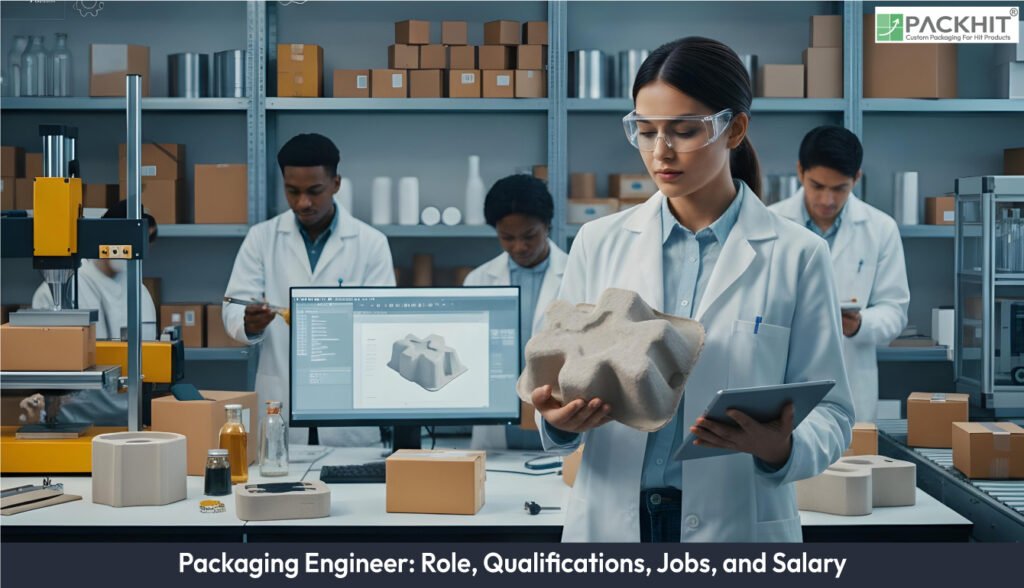
A packaging engineer is a technical professional focused on designing, testing, and controlling packaging systems. A packaging engineer’s role centres on planning and validating packaging structures, materials, and specifications to ensure performance across production, storage, and transport. Qualifications and skills of a packaging engineer combine engineering education with applied knowledge of materials, manufacturing processes, testing standards, and regulatory requirements. Career paths of a packaging engineer range from entry-level technical roles to senior, specialist, and management positions across multiple industries. The job of a packaging engineer covers day-to-day technical tasks, including design, testing, production support, quality control, and regulatory compliance. Packaging engineer salaries vary by experience, industry, and responsibility, progressing from graduate roles to senior and specialist compensation levels.
- What is a Packaging Engineer?
- What is the Role of a Packaging Engineer?
- What are the Qualifications and Skills Required to Become a Packaging Engineer?
- What Career Paths are Available for a Packaging Engineer?
- Entry-Level Packaging Engineer Roles
- Mid-Level Packaging Engineer Career Progression
- Senior and Specialist Packaging Engineer Roles
- Management and Leadership Career Paths
- What is the Job of a Packaging Engineer?
- What is the Salary of a Packaging Engineer?
What is a Packaging Engineer?
A packaging engineer is a technical professional who designs, tests, and manages packaging systems to protect products during manufacturing, storage, and distribution. They select appropriate materials, define container structures, and verify performance against mechanical, environmental, and regulatory requirements. Packaging engineers work with primary, secondary, and tertiary packaging, including bottles, cartons, and transit cases. They balance product protection, cost control, sustainability goals, and production efficiency while ensuring that all specifications are met.
What is the Role of a Packaging Engineer?
The role of a packaging engineer is to plan, design, test, and control packaging so that products remain protected, compliant, and efficient to produce. A packaging engineer defines packaging structures, selects materials such as paperboard, plastic, or glass, and checks performance through drop, compression, and vibration tests. The role also includes writing technical specifications, working with suppliers, and adjusting designs to reduce damage, material use, and cost while meeting safety and labelling rules.
Responsibilities of Packaging Engineers
Responsibilities of packaging engineers cover the planning, structural designing, testing, and control of packaging systems so products remain protected, compliant, and cost‑controlled across manufacturing and distribution. Packaging engineers define pack structures, select materials such as corrugated board, plastic films, or glass, and set performance criteria based on load, handling, and transit conditions. Testing responsibilities of packaging engineers include drop, compression, vibration, and climatic assessment to confirm protection levels. Documentation forms a core responsibility through drawings, material specifications, and revision control. Supplier coordination sits alongside technical work, including sample approval, cost review, and quality investigation. Regulatory responsibility includes labelling accuracy, food‑contact compliance, recycling marks, and transport symbols. In applied scenarios, a packaging engineer may calculate product mass, assess distribution loads, and select materials accordingly.
What are the Qualifications and Skills Required to Become a Packaging Engineer?
The qualifications required to become a packaging engineer are as follows:
- Bachelor’s degree in packaging engineering, mechanical engineering, materials science, or industrial engineering.
- Foundation knowledge in material science, manufacturing processes, and applied mechanics.
- Industry training covering packaging testing standards, quality systems, and regulatory compliance.
- Postgraduate study in packaging technology or supply chain engineering for advanced or specialist roles.
Essential skills required to become a packaging engineer are given below:
- Technical analysis involving load calculation, material behaviour, and failure investigation.
- Packaging testing using drop, compression, vibration, and environmental methods.
- Specification writing for materials, dimensions, tolerances, and performance criteria.
- Supplier coordination across converters, material producers, and logistics partners.
- Regulatory awareness covering labelling, safety, and recycling requirements.
What Career Paths are Available for a Packaging Engineer?
Packaging engineers follow defined career paths that progress from technical support roles to specialist, senior, and management positions. Progression depends on technical ownership, regulatory exposure, and responsibility for packaging systems across production and distribution.
Entry-Level Packaging Engineer Roles
Entry-level packaging engineer roles last 0 to 2 years and focus on testing execution, documentation control, and production support under approved specifications. These roles build baseline technical accuracy, material awareness, and familiarity with packaging standards.
- Graduate packaging engineer works for 12–24 months and performs drop testing, compression testing, and vibration testing, with examples including corrugated transit cases and retail cartons.
- Packaging technologist works for 1–2 years and maintains packaging specifications, with examples including board grades, film thicknesses, and heat‑seal parameters.
- Packaging development assistant works for 1–2 years and prepares prototypes, with examples including mock‑up cartons, trial inserts, and short‑run transit packs.
- Packaging quality analyst works for 1–2 years and records defects and damage, with examples including crushed cartons, seal failures, and scuffed labels.
Role transition from entry level typically occurs after consistent test accuracy, independent documentation handling, and basic supplier interaction.
Mid-Level Packaging Engineer Career Progression
Mid-level packaging engineer roles span 2 to 5 years and involve independent project ownership and cross‑functional coordination. Packaging engineers at this stage manage design changes, approve materials, and resolve production and transit issues.
- Packaging engineer works for 2–4 years and controls full packaging systems, with examples including bottle‑carton‑case combinations and pallet configurations.
- Packaging development engineer works for 3–5 years and leads new pack designs, with examples including format changes, material downgrades, and tooling updates.
- Packaging project engineer works for 3–5 years and coordinates timelines and suppliers, with examples including converter trials, line trials, and launch approvals.
Progression to senior roles occurs after repeated delivery of approved designs, supplier cost control, and ownership of line or distribution performance.
Senior and Specialist Packaging Engineer Roles
Senior and specialist packaging engineer roles typically begin after 5 to 8 years of experience and focus on technical authority, regulatory control, or system optimisation. These roles require deep knowledge of materials, testing standards, and manufacturing limits.
- Senior packaging engineer works from year 5 onward and approves specifications, with examples including critical transit packs and high‑value product packaging.
- Sustainability packaging specialist develops after 6–8 years and evaluates environmental impact, with examples including recyclability assessments and material reduction projects.
- Packaging automation engineer develops after 6–8 years and aligns packaging with machinery, with examples including cartoners, case packers, and palletisers.
- Regulatory packaging specialist develops after 7–8 years and manages compliance, with examples including food‑contact labelling and recycling symbols.
Movement into specialist roles depends on exposure to regulated products, automation projects, or sustainability reporting.
Management and Leadership Career Paths
Management and leadership roles generally follow 8 to 12+ years of packaging engineering experience and shift focus from design execution to strategic control of packaging functions.
- Packaging manager develops after 8–12 years and supervises engineering teams, with examples including approval workflows and supplier performance reviews.
- Packaging technical manager develops after 10–15 years and defines packaging standards, with examples including global specifications and testing protocols.
- Head of packaging engineering develops after 12–18 years and sets strategy, with examples including cost control targets and sustainability compliance plans.
Packaging engineer career timelines are shortened in regulated sectors. Food, pharmaceutical, and medical manufacturing environments accelerate progression due to higher testing frequency, compliance exposure, and system complexity.
What is the Job of a Packaging Engineer?
The job of the packaging engineer includes the technical duties involved in designing, testing, specifying, and controlling packaging systems across manufacturing and distribution.
- Design packaging systems by creating primary, secondary, and tertiary packaging formats. For example, bottles, cartons, inserts, and corrugated transit cases.
- Select packaging materials based on mechanical strength, barrier performance, weight limits, recyclability targets, and unit cost. For example, paperboard grades, plastic films, and moulded fibre.
- Conduct packaging tests using standard methods such as drop testing, compression testing, vibration testing, and climatic exposure to confirm protection during transport.
- Prepare technical specifications defining dimensions, tolerances, material grades, and performance criteria for suppliers and internal production teams.
- Support production lines by checking pack compatibility with filling, sealing, and packing machinery. For example, cartoners, case packers, and palletisers.
- Manage supplier communication through sample reviews, technical queries, and approval processes with converters and material manufacturers.
- Control packaging quality by investigating damage reports, analysing failure modes, and implementing corrective design or material changes.
- Ensure regulatory compliance covering labelling accuracy, food contact rules, transport symbols, and recycling marks required in target markets.
- Reduce material and cost by optimising board grades, wall thickness, and pack geometry while maintaining defined protection levels.
- Document packaging changes through revision control, test reports, and approval records to maintain traceability across product lifecycles.
What is the Salary of a Packaging Engineer?
The salary of a packaging engineer in the UK ranges between £32,000 and £135,000 per year. Salaries depend on experience, job responsibilities, and the industry. Higher pay is common in sectors such as food and pharmaceuticals, where strict regulations and greater technical responsibility apply.
The table below shows typical UK salary ranges by experience level, aligned with common packaging engineering roles. Figures reflect median and average annual salaries reported across manufacturing and packaging functions.
| Experience level | Typical role titles | UK median salary (annual) | UK average salary (annual) |
|---|---|---|---|
| Entry level (0–2 years) | Graduate packaging engineer, packaging technologist | £32,000 | £34,000 |
| Early career (2–5 years) | Packaging engineer, packaging development engineer | £35,000 | £40,000 |
| Mid-level (5–8 years) | Senior packaging engineer, packaging project engineer | £40,000 | £44,000 |
| Senior level (8–12 years) | Lead packaging engineer, packaging technical manager | £48,000 | £52,000 |
| Specialist or management (12+ years) | Packaging manager, sustainability packaging specialist | £55,000 | £135,000 |
Salary progression links directly to technical ownership, regulatory exposure, and project scale. Roles covering sustainability compliance, automation systems, or supplier cost control trend toward the upper ranges, particularly in large manufacturing organisations.
What Factors Influence the Salary of a Packaging Engineer?
The salary of a packaging engineer depends on experience level, industry sector, technical scope, and regulatory exposure. Salaries increase with years of practice, ownership of complex packaging systems such as automated lines or hazardous goods, and work in regulated industries such as food, pharmaceuticals, and medical devices.