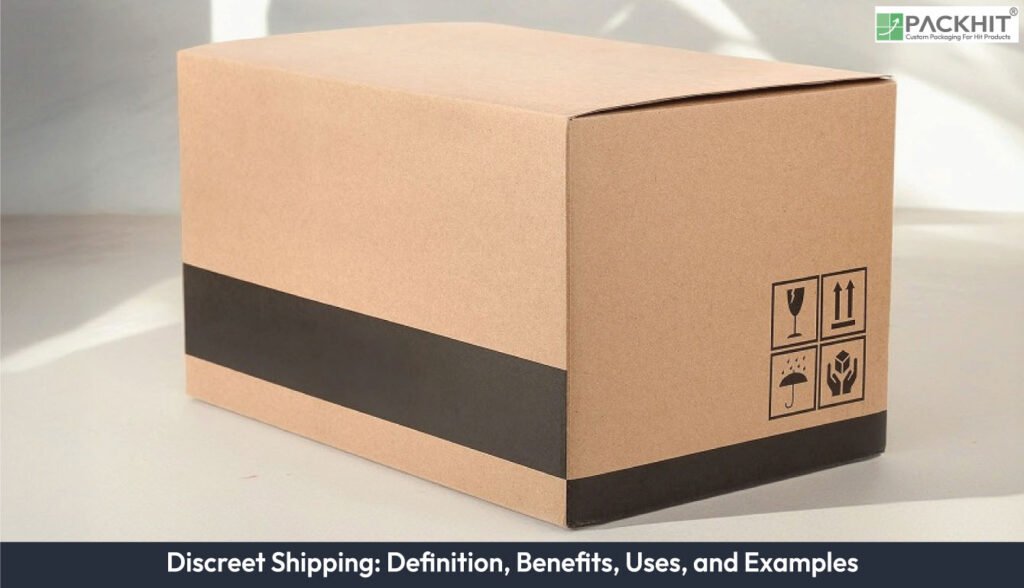
Discreet shipping functions as a privacy-focused logistics method that reduces visual exposure and limits identifiable information during parcel movement across delivery networks. Neutral packaging materials, minimal labelling, and controlled presentation define operational standards within fulfilment systems. Practical advantages include reduced theft risk, lower visibility during handling, and improved customer confidence in sensitive deliveries. Application spans e-commerce distribution, confidential document transport, regulated goods, and privacy-driven shipping scenarios across domestic and international routes.
- What is Discreet Shipping?
- Why E-Commerce Fulfilment Relies on Discrete Shipping?
- How Discreet Shipping Works Across the Fulfilment Process?
- Why Customers Actively Prefer Discreet Delivery?
- What are the Benefits of Discreet Shipping?
- What are the Operational Limits of Discreet Shipping?
- What are the Common Uses of Discreet Shipping?
- What Does Discreet Packaging Look Like in Real Shipments?
- How Do Carriers Handle Discreet Shipping?
- How Does Discreet Shipping Work for International Orders?
- FAQs (Frequently Asked Questions)
What is Discreet Shipping?
Discreet shipping is the shipment of goods in packaging and labels that reveal no meaningful information about the contents, brand, or purpose of the order. In practice, this means unbranded boxes, non-descriptive return addresses, generic customs descriptions where lawful, and carrier paperwork that avoids product‑specific language. The defining characteristic is concealment during all visible stages of transport, from warehouse dispatch to doorstep delivery.
Why E-Commerce Fulfilment Relies on Discrete Shipping?
E-Commerce uses discreet shipping to reduce privacy exposure and loss risk during high‑volume parcel handling. Online orders pass through multiple hands, scanners, and sorting hubs. Neutral packaging lowers the signalling value of a parcel, which in turn reduces opportunistic theft and unsolicited attention. For merchants, it also limits brand leakage during transit while maintaining compliance with carrier and customs rules.
How Discreet Shipping Works Across the Fulfilment Process?
Discreet shipping operates through coordinated control of packaging, labelling, and order processing. Items are packed in plain outer cartons or mailers; internal packing slips omit product names; sender details appear as neutral corporate entities; and tracking metadata remains functional without being descriptive. During transit, the carrier handles the parcel as standard freight, but observers receive no cues about its contents or value.
Why Customers Actively Prefer Discreet Delivery?
Customers prefer discreet shipping because it protects personal privacy and reduces social exposure at the point of delivery. Shared housing, workplace delivery, and multi‑unit residences increase visibility. Neutral parcels prevent disclosure to neighbours, colleagues, or household members, particularly for personal or sensitive purchases.
What are the Benefits of Discreet Shipping?
Discreet shipping protects recipient privacy, reduces theft risk, and limits third‑party visibility by using plain packaging, neutral labelling, and non‑descriptive sender details during transit and delivery.
- Privacy protection by removing visible product cues, such as category names or brand logos, for items like health products, personal devices, and legal documents.
- Theft reduction through low visual value signalling, which decreases parcel targeting during sorting, transit, and doorstep delivery.
- Customer trust is built through consistent external anonymity, especially for sensitive purchases such as wellness supplies or confidential replacements.
- Delivery discretion at shared locations, including flats, offices, and reception desks, where neutral parcels avoid social disclosure.
- Brand risk control by preventing unintended exposure of product lines or customer behaviour during last‑mile handling.
- Regulatory compatibility when plain outer packaging is combined with accurate internal documentation and compliant carrier labels.
What are the Operational Limits of Discreet Shipping?
Discreet shipping limits visible branding and requires strict packaging control to maintain privacy. Businesses reduce brand exposure and rely on neutral packaging standards. In international shipping, customs regulations require essential product and value details, which restrict full anonymity and reduce the level of discretion possible.
What are the Common Uses of Discreet Shipping?
Discreet shipping is used to protect privacy, reduce product visibility, and ensure secure delivery of sensitive or high-value items. Businesses apply discreet packaging in e-commerce, healthcare, and confidential logistics where neutral presentation is required.
Common uses of discreet shipping include:
- Personal and health products: Items such as wellness products and medical supplies are shipped with privacy protection.
- Confidential documents: Legal papers, financial records, and sensitive business materials.
- High-value goods: Electronics, accessories, and premium items to reduce theft risk.
- Subscription shipments: Regular deliveries where neutral packaging maintains customer discretion.
- International shipments: Parcels requiring reduced external visibility while meeting customs requirements.
What Does Discreet Packaging Look Like in Real Shipments?
Discreet packaging uses plain, unbranded materials to keep shipments visually neutral while maintaining required documentation and product usability.
- Appearance of Discreet Packaging: Discreet packaging uses brown or white boxes, clear or neutral tape, and labels with only required shipping details, without logos or product indicators.
- External Privacy and Internal Clarity: Outer packaging remains neutral, while the interior includes product identification, protective inserts, and necessary documentation for the recipient.
- Common Discreet Packaging Examples: Examples include plain cartons for personal care items, generic mailers for documents, and logo-free boxes for electronics.
- Products Commonly Shipped Discreetly: Health products, personal items, subscription refills, and high-value goods are often shipped discreetly to reduce visibility and risk.
- Blending Into Standard Shipments: Discreet packages are designed to look ordinary, making them indistinguishable from other parcels in transit.
How Do Carriers Handle Discreet Shipping?
Carriers handle discreet shipping as standard parcels, processing neutral packaging and non‑descriptive labels through normal sorting, tracking, and delivery systems, if all required address, safety, and customs information is present.
- USPS and Discreet Shipping: USPS accepts neutral packaging, where discretion depends on packaging choices rather than a dedicated service.
- FedEx and Neutral Packaging: FedEx processes discreet shipments as standard parcels when labels and documentation meet requirements.
- Amazon Discreet Packaging: Amazon uses plain outer packaging for selected products, depending on fulfilment method and compliance rules.
How Does Discreet Shipping Work for International Orders?
International discreet shipping uses plain outer packaging while complying with cross‑border disclosure rules. Visual anonymity is preserved, but customs authorities require accurate declarations of product category, quantity, and declared value. These details appear on customs forms, not on the parcel surface, limiting public visibility while meeting import, tax, and safety controls.
FAQs (Frequently Asked Questions)
Is Amazon discreet with shipping?
Amazon supports discreet shipping for selected products. Availability depends on item category and fulfilment method.
How can a package be received discreetly?
A package is received discreetly when plain packaging and neutral labelling are used. Delivery location choice further reduces visibility.
How can items be shipped anonymously?
Anonymous shipping uses generic sender names, unbranded packaging, and limited label descriptors. Carrier requirements still apply.
Is discreet shipping legal?
Discreet shipping is legal when it complies with carrier and customs regulations. Concealment does not permit misrepresentation of contents.