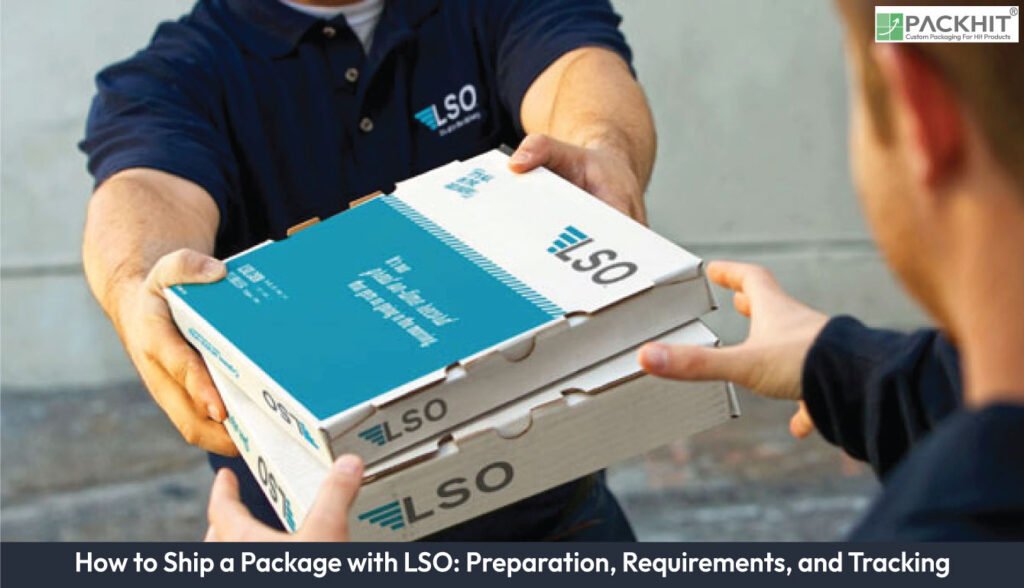
LSO shipping follows a structured regional distribution process that connects package handling standards, service-level alignment, and shipment visibility within a controlled delivery network. Accurate parcel preparation, label data integrity, and packaging compliance determine routing efficiency and network acceptance. Service selection influences transit timing, cost control, and coverage suitability across regional zones. Tracking systems maintain shipment visibility through scan events, status updates, and delivery confirmation across the carrier network.
- What is LSO, and how does it function as a shipping carrier?
- What are the Steps for Preparing a Package for LSO Shipment?
- What Are LSO Shipping Service Options and Delivery Times?
- Where Does LSO Deliver and How Does Coverage Affect Shipping?
- How Does LSO Shipment Tracking Work?
- Tracking Number Generation
- Shipment Scan Events and Status Updates
- Tracking Status Meanings
- Tracking Accuracy and Scan Dependency
- Common Tracking Issues and Errors
- Resolving Tracking Delays and Exceptions
- How Does LSO Customer Support Help Resolve Shipment Issues?
- Why do Businesses Choose LSO for Regional Shipping?
- How Does ShipStation Work with LSO Shipping?
- What are Operational Considerations Before Shipping with LSO?
What is LSO, and how does it function as a shipping carrier?
LSO is a parcel delivery carrier specialising in regional distribution rather than national or international freight. Its operational scope concentrates on short- to mid-distance routes where ground and next-day air alternatives can meet defined delivery windows with lower transit variability. As a carrier, LSO assumes custody of packaged goods at origin, moves them through its depot network, and completes final-mile delivery directly, not via postal hand-off. Service classification within LSO is primarily divided into ground and time-definite next-day options. This structure shapes how shipments are prepared, labelled, and scheduled for collection or drop-off.
What are the Steps for Preparing a Package for LSO Shipment?
Prepare an LSO shipment by selecting rigid packaging, securing contents, keeping exterior surfaces flat for barcode scans, printing a compliant label with accurate weight, dimensions, and address data, and verifying all shipment details before handoff into LSO’s tracked regional network.
- Select appropriate packaging: Use corrugated cartons, rigid mailers, or padded envelopes based on item type.
- Ensure proper protection: Secure contents to prevent movement and damage during handling.
- Maintain flat outer surface: Keep the package shape regular for accurate barcode placement and scanning.
- Avoid overpacking: Do not overfill or distort the package shape to prevent scan delays.
- Provide complete address details: Include the recipient’s name, street address, city, state, and postcode.
- Use printed labels: Ensure labels are clear and machine-readable to improve scanning accuracy.
- Measure and weigh accurately: Match declared weight and dimensions with the actual package.
- Verify shipment data: Confirm all details before dispatch to avoid routing issues or billing adjustments.
What Are LSO Shipping Service Options and Delivery Times?
LSO offers shipping services based on delivery speed and cost:
- LSO Ground: Road-based delivery within regional areas, typically completed in 1–3 business days. Suitable for non-urgent shipments with a lower cost.
- LSO Priority Next Day: Expedited service with next-business-day delivery, using faster processing and dedicated transport schedules. Cut-off times apply.
- LSO Economy Next Day: Next-day delivery with flexible timing, offering a balance between speed and cost for less time-sensitive shipments.
Where Does LSO Deliver and How Does Coverage Affect Shipping?
LSO operates within a regional delivery network covering selected US states, with a strong presence in major cities and commercial areas. Shipments outside this coverage require a different carrier, as LSO does not hand off parcels to external networks. Coverage directly affects service selection. Ground shipping is suitable within connected service areas, while next-day options depend on proximity to LSO facilities and available transport routes.
How Does LSO Shipment Tracking Work?
LSO tracking uses a unique tracking number to monitor parcel movement, record scan events, and provide delivery confirmation across the shipping network.
Tracking Number Generation
A tracking number is created at label generation and binds the parcel to a digital shipment record within the LSO system. The identifier stores origin, destination, service type, and billing data and supports API-based data exchange with connected shipping software.
Shipment Scan Events and Status Updates
Each scan logs the parcel’s location, timestamp, and handling stage as it moves through LSO facilities and delivery routes. Scan points include pickup, depot arrival, outbound sorting, and final-mile dispatch, forming a sequential movement record.
Tracking Status Meanings
Status labels map scan data to defined delivery stages. “In transit” confirms network movement, “out for delivery” marks assignment to a local route, and “delivered” records final handoff with time and location confirmation.
Tracking Accuracy and Scan Dependency
Tracking accuracy depends on consistent barcode scans at each transfer point. Missed or unreadable scans interrupt status updates, even when the parcel continues moving through the regional network.
Common Tracking Issues and Errors
Most tracking issues originate from data or label defects. Typical causes include incorrect address fields, damaged or folded barcodes, and mismatched weight or dimension data that triggers manual handling.
Resolving Tracking Delays and Exceptions
Tracking delays are resolved by reviewing scan history and correcting shipment data linked to the tracking number. Address corrections, label reprints, or depot-level checks restore visibility when updates stall.
How Does LSO Customer Support Help Resolve Shipment Issues?
LSO customer support helps resolve shipment issues such as tracking problems, delivery exceptions, and address errors using the tracking number and shipment details. Support teams locate parcels within the network, correct address information before final delivery, and manage delays or failed delivery attempts. Early contact with support improves resolution speed and reduces the risk of misrouted or returned shipments.
Why do Businesses Choose LSO for Regional Shipping?
Businesses choose LSO for regional shipping due to consistent delivery times, reduced handling, and efficient integration with shipping systems. Shorter delivery routes improve transit speed and lower the risk of damage, especially for sensitive or retail products. Integration with platforms like ShipStation enables automated label creation and real-time tracking updates, reducing manual work and improving shipment accuracy.
How Does ShipStation Work with LSO Shipping?
ShipStation integrates LSO into its shipping workflow, allowing users to select LSO services, generate shipping labels, and send shipment data directly to the carrier. Tracking numbers are automatically synced back into ShipStation, enabling centralised tracking and shipment management without using multiple systems.
What are Operational Considerations Before Shipping with LSO?
Shipping with LSO requires alignment between package preparation, service selection, and regional coverage. Parcels within supported zones and matching declared weight and dimensions move efficiently through the network. Mismatched shipment data or incorrect service choice can cause delays, making it important to follow packaging standards and coverage limits for reliable delivery and tracking.