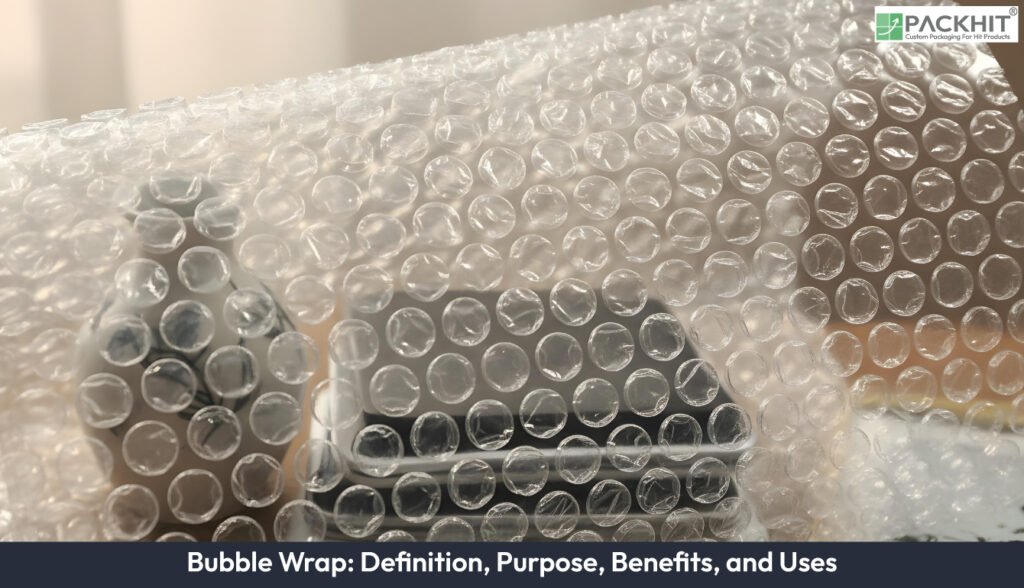
Bubble wrap is a widely used protective packaging material designed to cushion products during handling, storage, and transportation. It consists of air-filled polyethene bubbles that absorb shock and vibration. The main purpose and benefits of bubble wrap are to provide a cushioning layer within packaging systems, protecting items from external pressure, surface abrasion, and internal movement inside cartons. Businesses use bubble wrap for impact protection, void filling, surface separation, pallet layer cushioning, and component protection in shipping, warehousing, and manufacturing operations.
- What is Bubble Wrap?
- Why Does Bubble Wrap Matter in Protective Packaging?
- What are the Benefits of Bubble Wraps?
- Impact Absorption
- Surface Protection
- Lightweight Cushioning
- Flexible Material Use
- Consistent Packaging Performance
- What are the Uses of Bubble Wraps?
- Shipping Protection
- Void Filling Inside Cartons
- Surface Separation Between Items
- Wrapping Irregular or Sharp-Edged Products
- Temporary Storage Protection
- Layer Cushioning in Palletised Loads
- Component Protection During Manufacturing
- What are Some Practical Limitations of Using Bubble Wrap?
What is Bubble Wrap?
Bubble wrap is a plastic packaging material that cushions physical products during handling and transport by using sealed air pockets formed within polyethene film. The structure works by placing compressible air cells between the product surface and external forces, which reduces shock transfer when drops, vibration, or stacking pressure occur. Within packaging systems that also include shredded paper, plastic wraps, and sealed bags, bubble wrap functions specifically as a cushioning layer, wrapping items or lining cartons to control movement and limit surface contact damage.
Why Does Bubble Wrap Matter in Protective Packaging?
Bubble wrap matters in protective packaging because its air-filled pockets compress under force and reduce the shock that reaches a product, including glass bottles, electronics, and ceramic parts. The cushioning layer absorbs short drops, vibration during road transit, and top-load pressure from stacked cartons. It also maintains physical separation from carton walls and adjacent items, which limits surface abrasion on finishes such as painted metal, coated plastics, or printed packaging. Compared with other loose-fill or wrap materials. For example, shredded paper, plastic wraps, or sealed bags, bubble wrap functions as a dedicated cushioning medium rather than a containment layer, making it effective where movement and impact occur inside the pack.
What are the Benefits of Bubble Wraps?
The benefits of bubble wraps include impact control, surface protection, weight reduction, material flexibility, and cost predictability in packaging operations.
Impact Absorption
Bubble wrap reduces force transfer by compressing air-filled bubbles when external pressure occurs. This cushioning lowers shock during drops, vehicle vibration, and conveyor handling, helping prevent damage to fragile items such as glass containers, electronics, and ceramics.
Surface Protection
Bubble wrap creates a protective layer between the product and surrounding surfaces. The smooth polyethene film prevents scuffing, scratches, and abrasion on coated metals, printed packaging, and polished plastics.
Lightweight Cushioning
Bubble wrap provides cushioning primarily through the air trapped in its bubbles, adding protective volume without significantly increasing weight. This reduces shipping costs and makes manual handling easier compared with heavier materials such as paper or foam.
Flexible Material Use
Bubble wrap conforms easily around irregular shapes, edges, and protrusions. It can be wrapped, folded, or layered without cutting tools, supporting fast and efficient packing for products of various sizes.
Consistent Packaging Performance
Uniform bubble size and film thickness ensure repeatable cushioning behaviour across shipments. This consistency simplifies standard packing procedures and complements other protective materials like shredded paper, plastic wraps, and padded bags.
What are the Uses of Bubble Wraps?
The uses of bubble wraps cover cushioning, separation, void control, and handling protection across packaging and storage processes.
Shipping Protection
Bubble wrap absorbs shock and vibration during road, air, and courier transport. The air-filled bubbles reduce impact transfer around fragile products such as glass bottles, electronic devices, and ceramic components, protecting them from drops or compression in transit.
Void Filling Inside Cartons
Layered or folded bubble wrap fills space in oversized boxes, stabilising the contents. This prevents items from shifting, reducing internal collisions and damage during handling.
Surface Separation Between Items
Bubble wrap prevents direct contact between stacked or grouped products. The plastic film acts as a barrier that minimises scratching and abrasion on painted metal parts, printed packaging, and polished plastics.
Wrapping Irregular or Sharp-Edged Products
Flexible bubble wrap conforms to uneven shapes, corners, and protrusions. It protects both the product and the outer carton from punctures or damage caused by sharp edges.
Temporary Storage Protection
Bubble wrap shields products during short-term warehousing or staging. Its cushioning reduces wear from repeated handling before final packing or dispatch.
Layer Cushioning in Palletised Loads
When placed between product layers, bubble wrap distributes top-load pressure in palletised shipments. This separation reduces compression damage when cartons or components are stacked.
Component Protection During Manufacturing
Bubble wrap isolates parts between production stages, protecting semi-finished items such as coated panels or assembled subcomponents from handling damage.
What are Some Practical Limitations of Using Bubble Wrap?
Some practical limitations of using bubble wrap relate to material properties, handling constraints, and environmental factors that affect packaging performance and disposal.
- Puncture sensitivity: Thin polyethene film loses cushioning capacity after puncture. For example, from sharp edges, metal corners, or exposed fasteners.
- Limited load-bearing capacity: Air cells compress fully under sustained top load. For example, in stacked cartons or palletised storage, which reduces shock absorption.
- Storage volume requirement: Pre-formed bubble sheets occupy more warehouse space than flat materials. For example, shredded paper or sealed bags.
- Environmental disposal constraints: Plastic-based composition complicates recycling in mixed waste streams. For example, household recycling systems that exclude flexible films.
- Static attraction: Plastic film attracts dust and light debris. For example, in electronics packing areas or clean assembly zones.
- Cost variation by bubble size: Larger or multi-layer bubble formats increase unit cost. For example, double-layer or heavy-duty cushioning grades.
- Reduced effectiveness after reuse: Reused bubble wrap shows lower air retention. For example, after repeated compression during prior shipments.