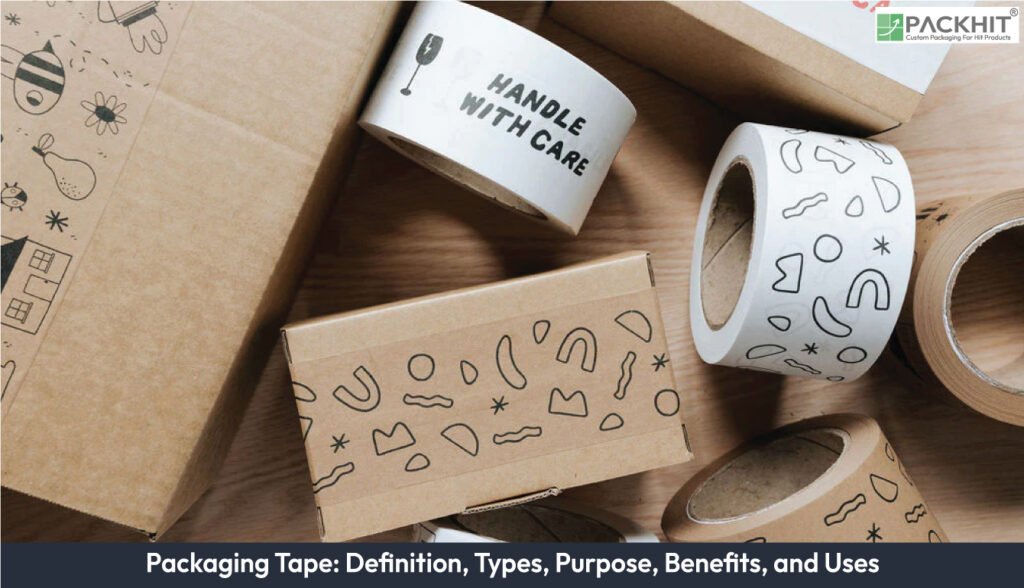
Packaging tape is an essential sealing material used in retail, e-commerce, logistics, and industrial distribution to secure cartons and protect goods during handling, storage, and transportation. It works through a combination of backing materials and adhesive systems that create a strong bond along carton seams, ensuring structural stability under stacking pressure, vibration, and movement. Packaging tapes are available in different types, including clear packing tape, heavy-duty tape, and filament tape. Each type is designed to support specific load requirements, reinforcement needs, and branding applications. The main uses of packaging tape include providing secure carton closure, tamper visibility, contamination control, operational efficiency, and cost management. By maintaining strong seals and protecting package integrity, packaging tape plays a critical role in ensuring reliable delivery performance across modern supply chains.
- What is Packaging Tape?
- What is the Purpose of Packaging Tape?
- What are the Different Types of Packaging Tape?
- Clear Packing Tape
- Shipping Tape
- Duct Tape
- Masking Tape
- Heavy-Duty Packing Tape
- Filament Tape
- Gaffer Tape
- Double-Sided Tape
- Spike Tape
- What are the Benefits of Packaging Tape?
- Carton Sealing Strength
- Protection Against Handling Damage
- Moisture and Dust Resistance
- Tamper Visibility
- Operational Efficiency
- Cost Control in Packaging
- Brand Communication at the Seal
- What are the Uses of Packaging Tape?
What is Packaging Tape?
Packaging tape is a pressure-sensitive or water-activated adhesive tape used to seal, reinforce, or secure packaging materials, most commonly corrugated cardboard cartons, by bonding overlapping surfaces under applied pressure. Packaging tape functions through a layered construction that combines a backing material, such as polypropylene, PVC, or paper, with an adhesive system, such as acrylic, hot-melt rubber, or starch-based compounds, to maintain carton closure during handling, storage, and transport.
What is the Purpose of Packaging Tape?
Packaging tape holds packaging materials together by sealing carton flaps, reinforcing weak edges, and keeping contents contained during handling, storage, and transport. It works by creating a continuous adhesive bond across overlapping surfaces, which resists opening caused by weight, vibration, and stacking pressure. Packaging tape also protects packages by reducing dust entry, limiting moisture exposure at seams, and showing visible damage if a carton is opened. In logistics and retail settings, packaging tape supports identification and handling by carrying printed warnings, barcodes, or brand marks directly on the seal, which reduces the need for separate labels.
What are the Different Types of Packaging Tape?
Packaging tapes are classified by backing material, adhesive formulation, and functional role in the packaging process.
Clear Packing Tape
Clear packing tape is typically made from biaxially oriented polypropylene (BOPP) film with either acrylic or hot-melt adhesive. Its transparent backing allows labels, barcodes, and carton graphics to remain visible. In the packaging industry, it is widely used for sealing standard corrugated cartons in retail, e-commerce, and warehouse operations. It provides reliable tensile strength and consistent adhesion for light to medium-duty shipments.
Shipping Tape
Shipping tape is a general term for carton-sealing tapes designed specifically for transport. Most versions use polypropylene backing with pressure-sensitive adhesive. Formulated for secure closure during distribution, shipping tape is engineered to resist lifting, splitting, and edge curl during handling and transit. It is commonly used in fulfilment centres, logistics hubs, and export packaging.
Duct Tape
Duct tape consists of a polyethylene-coated cloth backing with a rubber-based adhesive. The fabric reinforcement gives it flexibility and high tear resistance. In packaging environments, duct tape is not typically used for standard carton sealing but is valuable for reinforcement, bundling, temporary repairs, or securing damaged cartons. Its strength and conformability make it suitable for irregular surfaces.
Masking Tape
Masking tape uses a crepe paper backing with a pressure-sensitive adhesive designed for clean removal. Within packaging operations, it is primarily used for temporary holding, labelling, colour coding, or short-term bundling rather than structural sealing. It removes easily without damaging carton surfaces, which makes it suitable for staging and internal logistics processes.
Heavy-Duty Packing Tape
Heavy-duty packing tape is a thicker-grade polypropylene or PVC tape designed for higher load demands. It typically features stronger adhesives and increased backing thickness. In the packaging industry, it is used for sealing heavy cartons, double-wall boxes, and bulk shipments. The enhanced tensile strength and shear resistance reduce seam failure during palletisation and long-distance transport.
Filament Tape
Filament tape incorporates fibreglass filaments embedded within a polypropylene backing. This reinforcement significantly increases tensile strength. For packaging applications, filament tape is used for strapping, bundling, and reinforcing heavy cartons. It is particularly useful for securing pallet loads, closing oversized boxes, and stabilising industrial shipments where additional structural support is required.
Gaffer Tape
Gaffer tape features a cloth backing with a matte finish and strong adhesive that removes cleanly. Although more common in staging and production environments, in packaging operations, it may be used for temporary securing, protective wrapping, or equipment marking. It is not generally used for primary carton sealing due to cost and material composition.
Double-Sided Tape
Double-sided tape contains adhesive on both sides of a thin backing material, which may be film, tissue, or foam-based. In packaging manufacturing and assembly, it is used for mounting inserts, securing promotional materials, attaching foam cushioning, and bonding components inside cartons. It provides hidden adhesion without visible fasteners.
Spike Tape
Spike tape is a thin cloth tape, often brightly coloured, designed for marking and identification. In packaging and warehouse environments, it is used for floor marking, pallet identification, zone coding, and workflow organisation rather than sealing cartons. Its clean removability allows temporary marking without residue.
What are the Benefits of Packaging Tape?
The benefits of packaging tape include secure carton closure, damage reduction, contamination control, tamper detection, packing efficiency, cost management, and on-pack communication.
Carton Sealing Strength
Packaging tape ensures strong carton sealing, keeping box flaps securely closed during handling, stacking, and shipping. Its effectiveness depends on the adhesive tack, shear resistance, and backing strength. Strong sealing prevents flap lifting on single-wall, double-wall, or triple-wall corrugated cartons, reducing the risk of carton failure and protecting the contents during transport.
Protection Against Handling Damage
Effective sealing helps limit tearing, seam splitting, and accidental opening during transit. Tape reinforces centre seams, edges, and other high-stress contact points. This lowers carton collapse rates on conveyors and during manual handling. It also reduces product loss caused by drops, vibration, and repeated movement.
Moisture and Dust Resistance
A secure tape seal helps block contamination at exposed carton seams and edges. When adhesive creates continuous coverage along the seal line, it reduces short-term water ingress in warehouses, delivery vehicles, and loading bays. Proper sealing also protects packaged goods from fine particles, dirt, and surface moisture.
Tamper Visibility
Tamper-evident tape provides clear signs if a package has been opened or interfered with. Indicators may include torn backing, broken printed patterns, or adhesive residue on the carton. This feature enhances security for pharmaceuticals, electronics, and branded retail goods, helping detect unauthorized access during storage or transit.
Operational Efficiency
High-quality sealing improves packing speed in both manual and automated processes. It relies on controlled unwind, consistent adhesion, and compatibility with dispensers or case-sealing machines. Improved efficiency reduces rework caused by poor adhesion or tape breakage and increases throughput on packing benches and sealing lines.
Cost Control in Packaging
Selecting the correct tape width, thickness (gauge), and adhesive type helps reduce total sealing costs per shipment. Proper tape choice limits over-taping and reduces damaged carton returns. This lowers replacement costs for cartons, tape, and goods.
Brand Communication at the Seal
Printed tape allows branding and key information to appear directly on the carton closure. It can display logos, handling instructions, or security messages. This can replace separate labels in many shipping workflows and keeps identification visible until the carton is opened.
What are the Uses of Packaging Tape?
The Uses of packaging tape include carton sealing, load reinforcement, tamper indication, product identification, surface protection, and unitisation during storage and transport.
Carton Sealing
Packaging tape closes and stabilises carton flaps, keeping packaged goods contained during manual handling, conveyor movement, and vehicle transport. Seal performance depends on adhesive tack, shear resistance, and backing strength, which together prevent seam separation under stacking loads. Correct sealing supports single-wall, double-wall, and triple-wall corrugated cartons, limiting flap lift caused by vibration, compression, and internal weight.
Reinforcing Heavy or Weak Packages
Tape reinforcement strengthens carton seams, edges, and high-stress areas. It distributes load across a wider surface area, helping prevent tearing in overfilled, lightweight, or recycled cartons. Proper reinforcement lowers failure rates during pallet movement and conveyor transfer.
Tamper Indication
Tamper indication provides visible evidence of opening or interference at the seal. Signs may include torn backing, broken printed patterns, or adhesive residue left on the carton. This supports security checks for pharmaceuticals, electronics, and branded goods, helping identify unauthorised access during storage and delivery.
Product Identification and Labelling
Printed tape places handling instructions, routing information, or branding directly on the carton seal. It can display warnings, barcodes, or company names, reducing the need for separate adhesive labels. Information remains visible until the carton is opened, improving traceability and presentation.
Surface Protection During Handling
Tape protects seams and exposed edges from abrasion during transit. It limits scuffing on printed cartons and retail-ready packaging while reducing dust and dirt entry at closure points. This helps maintain package appearance through multiple handling stages.
Bundling and Unitisation
Tape can group multiple items into a single handling unit. It secures products, components, or flat-packed cartons together to improve stacking stability in storage and transport. Bundling reduces item separation during manual handling and short-distance shipping.