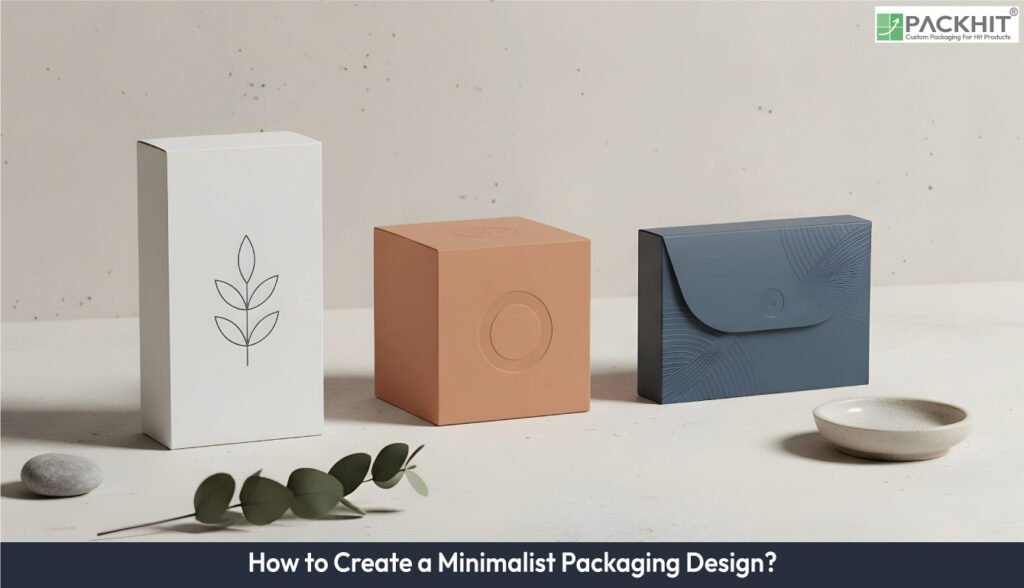
To design minimalist packaging, focus on reducing visual and material complexity by stripping away non-essential graphics, limiting colour use, and simplifying structural forms while maintaining protection and readability. This approach relies on clean layouts, light substrates and a single clear brand cue supported by neutral backgrounds and subtle tactile accents. Key elements include minimal graphic density, reduced material weight, simple geometry, controlled logo placement, ethical material choices and restrained colour application. The benefits extend to waste reduction, stronger message clarity, better shelf differentiation, improved material efficiency, positive brand perception and more consistent commercial performance.
- What is Minimalist Packaging?
- What is the Importance of Minimalist Packaging?
- How to Create a Minimalist Packaging Design?
- 1. Remove Non‑essential Elements
- 2. Cut Material Layers and Select Efficient Substrates
- 3. Simplify Form, Typography and Colour
- 4. Use a Single Logo and a Concise Strapline
- 5. Prefer Light, Neutral Backgrounds with Tactile Accents
- 6. Prototype, Test and Iterate
- What are the Elements of Minimalist Packaging Design?
- Minimal Graphic Density
- Minimal Material Weight
- Simple Structural Geometry
- Brand Logo Placement
- Light Colour Usage
- Ethical Material Handling
- What are the Benefits of Minimalist Packaging?
What is Minimalist Packaging?
Minimalist packaging reduces graphics, colour density and structural layers to a compact set of essential elements that communicate product quality, sustainability claims and brand identity. The approach relies on low visual complexity, restricted palettes and simple geometric forms that keep attention on a single brand cue. White space increases legibility at retail distance, and reduced substrate weight cuts waste and improves end‑of‑life separation. Material‑light construction still keeps mandatory product data and core protection in place, and controlled tactile accents such as emboss or small foil patches add physical definition without raising surface clutter.
What is the Importance of Minimalist Packaging?
Minimalist packaging carries importance because it cuts waste, supports ethical material choices and strengthens brand clarity at shelf distance. Simpler structures reduce disposal load and align with circular design practices that keep materials in use. Clearer graphics help consumers read essential information without distraction, and the restrained layout signals transparency, if environmental values form part of the brand position.
How to Create a Minimalist Packaging Design?
To design minimalist packaging, specify one central message and then remove surplus graphics, dense colour fields and duplicate brand cues. Reduce substrate layers, simplify shapes and typography, and validate legibility and protection through quick prototypes, if the pack enters retail or e‑commerce channels.
1. Remove Non‑essential Elements
Remove non‑essential elements to keep one clear focal point on the pack. Audit every printed item, such as logos, secondary marks, decorative patterns and long copy, and tag each item as essential or removable. Reduce text to legal data, safety data and one short statement. Use one primary type weight and one secondary weight to keep the layout controlled. Test the simplified layout in shelf mockups and in small e‑commerce thumbnails to confirm the main cue stays visible at common viewing distances. Add this reduction step to support ethical packaging practice, because lower visual density aligns with waste‑minimisation strategies and clearer brand signalling.
2. Cut Material Layers and Select Efficient Substrates
Reduce material usage and cut layer count while you keep protection and labelling functions intact. Aim for single-material constructions or easily separable components that simplify recycling and lower material weight. Replace multi-layer trays with pulp moulding or simple paperboard supports where feasible and use natural fibre textures that add tactile presence without lamination. Add disassembly cues that support ethical design and circular reuse if your pack enters a mixed waste stream.
Treat material use as a measurable variable because fewer layers reduce weight and waste, and because stable protection lowers the net environmental footprint. Prototype for transport and drop performance to confirm that structural integrity stays consistent after simplification. Add quick audits of end-of-life sorting to align the pack with circular design practices that keep materials in use.
3. Simplify Form, Typography and Colour
Simplify form with primary geometries and keep print controlled through a restricted palette and restrained typography. Use a limited palette with a neutral base and one accent colour and apply it across formats to keep brand recognition in physical and digital contexts. Pick typefaces with clear letterforms at small sizes to keep legibility with minimal copy.
Form, type and colour choices cut visual complexity and keep readability at shelf distance. Add subtle emboss or selective foil, if a tactile premium is needed, rather than patterned surfaces.
4. Use a Single Logo and a Concise Strapline
Place one logo mark and one short strapline as the main brand cue to keep message clarity. Use one logo lockup, avoid repeated badges across faces, and keep secondary marks for inner sleeves or digital files. Keep a strong contrast between the mark and background to keep visibility under retail lighting and to keep recognition consistent across formats, if light levels vary.
Brand message clarity stays a design target because fewer cues cut cognitive load and keep the pack easy to identify on a shelf or in a photograph; this reduction also aligns with ethical packaging practice, if the brand signals transparent material use and reduced waste.
5. Prefer Light, Neutral Backgrounds with Tactile Accents
Use light neutral backgrounds to create breathing room and to improve contrast for type and logos. Neutral surfaces help a single accent or finish register without competing colours. When texture or luxury is required, add controlled tactile treatments such as matte finish, natural fibre texture, small embossed areas, so that the pack reads as restrained rather than blank.
Colour palette limitations and tactile finishes together preserve a premium perception while keeping printed ink and surface processes to a minimum.
6. Prototype, Test and Iterate
Prototype the simplified construction and test for protection, print registration and shelf visibility. Run bench tests for drop and compression to confirm that protection performance is maintained after material reductions. Produce photographic tests for e‑commerce thumbnails to verify the primary cue works at a small scale.
Designers commonly follow an iterative workflow: simplified mockup, structural and visual testing, then a finalised die line and print proof for production.
What are the Elements of Minimalist Packaging Design?
The elements of minimalist packaging design include minimal graphic density, minimal material weight, simple structural geometry, logo placement, light colour usage and ethical material handling.
The elements of minimalist packaging are detailed below:
Minimal Graphic Density
Minimal graphic density keeps printed content to essential data such as product name, legal text and one brand cue. Controlled density reduces surface noise and supports clear visibility across shelf environments if ambient lighting varies.
Minimal Material Weight
Minimal material weight reduces substrate volume through single‑material boards or fibre moulding. Material-light construction lowers lifecycle impact and supports circular design, if municipal recycling streams handle fibre-based formats.
Simple Structural Geometry
Simple structural geometry uses primary forms such as rectangular cartons or single-crease sleeves. Predictable geometry cuts die-line complexity and retains strength during transport, if compression loads stay within tested ranges.
Brand Logo Placement
Brand logo placement fixes one mark at a central or upper-left position to stabilise recognition. A single logo reduces competing cues and strengthens identity communication if colour contrast remains consistent across print batches.
Light Colour Usage
Light colour usage relies on neutral backgrounds such as white or pale fibre tones. Low saturation improves reading accuracy and supports sustainability claims if ink coverage stays below typical density thresholds for fibre recovery.
Ethical Material Handling
Ethical material handling aligns substrate choice with waste‑minimisation strategies seen in packaging design ethics. Clear disassembly points support end‑of‑life sorting and reduce contamination if mixed components appear in the pack.
What are the Benefits of Minimalist Packaging?
The key benefits of minimalist packaging are given below:
Waste Reduction
Waste reduction cuts material weight and layer count to shrink lifecycle impact. Reduced inserts, unlaminated paperboard, and single‑material structures simplify sorting at end‑of‑life. Circular design keeps materials in circulation if the pack enters mixed municipal waste streams.
Message Clarity
Message clarity increases reading accuracy because low content density and controlled white space keep the primary cue visible. Minimal surface noise helps consumers process essential data at shelf distance and supports transparent product communication, if environmental claims are present.
Shelf Differentiation
Shelf differentiation occurs when simplified packs contrast with dense neighbours and create a clean focal point. Sparse layouts with one cue, such as a centred logo, retain visibility across 2–3 metres in retail aisles and hold recognisability in e‑commerce thumbnails.
Material Efficiency
Material efficiency lowers production complexity by using fewer substrates and simpler assemblies. Single‑material boxes, pulp moulded inserts, and uncoated fibre boards reduce weight and support straightforward disassembly, if consumers must separate components for recycling.
Positive Brand Perception
Positive brand perception forms as simple packaging signals sustainability, transparency and attention to material honesty. Clean surfaces and restrained printing communicate low‑impact intent and align with ethical design principles that prioritise circular material flow.
Commercial Outcome
Commercial outcome reflects long‑term gains reported when simplified packaging maintains pricing and clear brand cues. Lower substrate use cuts cost per unit, and stable recognition supports repeat purchase patterns, if brand identity remains consistent after reduction.