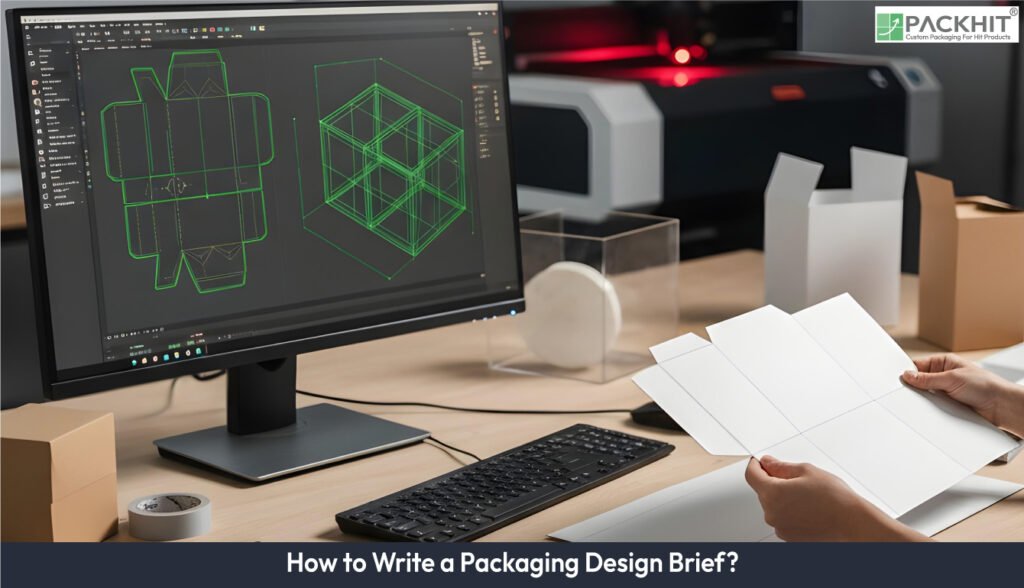
To write a packaging design brief, define project context, commercial aim, audience groups and sales channels so artwork, materials and format match how the product competes. Add product dimensions, a dieline with bleed and fold data, brand files, substrate limits, regulatory copy and printer constraints. Close the document with fixed dates, approval contacts and file outputs so agencies and vendors track one reference from first draft to print release.
A packaging design brief records scope, objectives and constraints in precise language so client teams, designers and printers follow one source. It states who prepares each section and which steps organise the content. The brief states the commercial purpose, success measures and alignment with product strategy; defines audience groups and channels; lists product specifications and constraints; attaches a working dieline with panel instructions; and fixes brand rules for logo, colour and type. It logs substrate, print and finishing data to confirm manufacturability, and sets legal and labelling copy early so compliance checks occur before artwork. The brief ends with timelines, budget markers, approval contacts and a full asset list so the project runs without rework during design, pre‑press or production.
- What is a Packaging Design Brief?
- What are the Steps to Write a Packaging Design Brief?
- 1. Define Project Context and Commercial Aim
- 2. Describe the Target Audience and Sales Channels
- 3. Document Product Dimensions and Limits
- 4. Attach Dieline Data and Artwork Notes
- 5. Specify Brand Assets and Visual Rules
- 6. Record Material, Print and Finishing Fimits
- 7. Insert Regulatory Copy and Code Placement
- 8. Set timeline, Checkpoints and Contacts
- 9. Compile Assets and Specify File Outputs
- What Should a Packaging Design Brief Include?
- Project Context and Objectives
- Target Audience and Channels
- Product Specification and Constraints
- Dieline and Artwork Requirements
- Brand and Visual Rules
- Production, Finishing and Material Requirements
- Legal, Regulatory and Labelling Details
- Timeline, Budget and Approvals
- Assets and File Handover
- How Should the Brief be Structured?
What is a Packaging Design Brief?
A packaging design brief records scope, objectives, and constraints in clear terms so designers and production partners know what to create. It stays as the single source of truth because it states what the client expects, how the product should sit in the market, and which technical limits control execution. It lists strategic direction, such as purpose, target users, and positioning, and it lists operational instructions, such as dieline data, artwork notes, and print or finishing limits. It guides the design phase, aligns client teams, agencies, and printers, and keeps production and print coordination grounded in consistent information.
Who Should Prepare the Brief?
Brand owners and product teams prepare the brief. They record requirements and supply the reference that design agencies and production vendors follow. Client‑side stakeholders such as owners, brand managers and product teams draft the content, then adjust it with internal creative staff. The final version goes to an agency or creative partner, so design work starts from a fixed baseline. Printers and manufacturing vendors such as printing houses, converters and pack assemblers receive the same brief, so they check manufacturability, cost limits and any constraints that affect print accuracy.
What are the Steps to Write a Packaging Design Brief?
The steps to write a packaging design brief are detailed below:
1. Define Project Context and Commercial Aim
State the launch type, commercial aim and product position so the design team links graphical choices with market intent. Add measurable targets if internal teams track packaging performance through metrics such as cost per unit, shelf impact tests or damage‑rate thresholds. Clarify whether the packaging supports a first launch, an update or a wider rebrand, because each route controls scope and artwork depth.
2. Describe the Target Audience and Sales Channels
Record user groups and list channels such as retail or e‑commerce so the agency scales artwork and material selection to match shelf distance, transit strain and handling needs. Add purchase behaviours that influence copy length, for example, specialist store buyers who compare technical claims or online buyers who only view thumbnails before checkout.
3. Document Product Dimensions and Limits
Insert length, width, height, net contents and fragile components so structural decisions match the product footprint. Product limits anchor substrate choice and influence print constraints, and they also guide manufacturability checks such as glue‑flap reach, stack strength or the number of folds required for assembly.
4. Attach Dieline Data and Artwork Notes
Supply a live dieline with panel sizes, bleed, safe zones and fold lines, then note variant artwork such as multipack, regional copy or seasonal runs. Clear dielines remove production queries later, and annotated folds help printers set up creasing plates without extra rounds of pre‑press correction.
5. Specify Brand Assets and Visual Rules
List logo files, colour references and typography so the agency remains consistent with the master brand. Identify protected marks or elements that cannot shift in size or position, and add accessibility constraints that influence contrast or minimum type size for regulated categories in UK markets.
6. Record Material, Print and Finishing Fimits
State substrates, print processes and finishing allowances such as varnish, lamination or foil. Vendor constraints guide feasible artwork density and avoid rework during pre‑press checks. Add carton weight, corrugate grade or board type if the product requires crush resistance or moisture tolerance during transit.
7. Insert Regulatory Copy and Code Placement
Add legal text, certification marks and barcodes with size and panel positions. Regulatory items anchor mandatory content before any creative review starts. Include UK‑specific elements such as recycling identifiers or mandatory allergen order if the packaging falls under food or health categories.
8. Set timeline, Checkpoints and Contacts
Add dates for design rounds, approvals and print release. Identify approvers if multiple teams control brand, technical or regulatory validation. Add printer lead times for plates, cutters and proof stages so the project calendar reflects real production limits rather than estimated cycles.
9. Compile Assets and Specify File Outputs
List supplied assets such as logos, images and fonts, and state final file formats such as layered artwork and print‑ready PDFs. Add sector‑specific files used in repeatable briefs in UK markets, for example, brand icons, approved photography or fixed compliance labels. Clear outputs reduce handover time for printers and converters, and consistent naming avoids version confusion in multi‑SKU ranges.
What Should a Packaging Design Brief Include?
A complete brief includes project context, strategic objectives, target audience, product specification, dieline and artwork requirements, production constraints, assets and approval criteria. Below are the content areas and what each must specify.
Project Context and Objectives
Project context must state the business goal and measurable objectives. Describe why the packaging exists (launch, relaunch, line extension), target commercial outcomes and any KPIs used to judge success. Record alignment with product strategy so the design outcome reflects intended positioning.
Target Audience and Channels
The target audience must identify end users and sales channels. Define primary and secondary users and the intended fulfilment channels (retail, e-commerce, subscription) so that material choice and graphic scale suit handling, shelf presentation and transit conditions.
Product Specification and Constraints
Product specification must list dimensions, weight and functional constraints. Provide net contents, fragile components, assembly sequence and any mechanical fit points; include constraints that affect substrate selection and structural design.
Dieline and Artwork Requirements
Dieline and artwork requirements must include a working dieline, required artwork variants and instructions for each panel. Attach the dieline with exact dimensions, mark safe areas and indicate where variable copy or regulatory marks will appear. State whether the design requires multiple artwork versions (regional languages, bundle variants), and list required deliverables.
Brand and Visual Rules
Brand rules must specify logo use, type, colour palette and mandatory visual elements. Cite the authoritative brand assets and the approval constraints that ensure the packaging reflects the brand strategy and legal requirements.
Production, Finishing and Material Requirements
Production requirements must list substrate choices, finishing processes and any manufacturing limits. Indicate acceptable materials, lamination, varnish or embossing options and any cost or sustainability constraints; flag supplier capabilities that affect achievable finishes.
Legal, Regulatory and Labelling Details
Regulatory requirements must include mandatory statements and local variants. Provide the exact regulatory copy, certification marks, barcode placement and any jurisdictional variations so that legal copy can be composed and validated before print.
Timeline, Budget and Approvals
Timeline and budget must state milestones, lead times and sign-off authorities. Record production lead times, critical dates for procurement, and names and contact details of approvers so responsibilities are clear and the project can progress without administrative delay.
Assets and File Handover
Asset lists must itemise logos, photography, fonts and artwork deliverables. For each asset, provide ownership information and any usage restrictions so the agency knows what can be used and what must be created or licensed.
How Should the Brief be Structured?
The brief should be structured as a fixed sequence of sections that hold context, objectives, specification, production data and approvals, and a single framing line can introduce the list below to anchor the content that follows:
- Header: record project name, client contact and version so agencies track revisions and vendors check they use the latest reference.
- Overview: describe product type, market position and any launch context, for example, first release or range update.
- Objectives: state commercial goals and measurement criteria such as cost targets, shelf tests or damage‑rate thresholds.
- Audience: define target segments and channels such as retail, e‑commerce or subscription so artwork scale and material fit reflect viewing distance and transit strain.
- Product specs: list dimensions, weight and component details, for example, fragile inserts or assembly orientation, which control structural feasibility.
- Dieline and artwork: attach the working dieline, specify bleed, safe zones and folds and list artwork variants such as multipack, seasonal or regional versions.
- Materials and finishing: state acceptable substrates, print processes and finishing limits such as varnish, lamination or foil so printers can validate feasibility early.
- Production: provide printing instructions, panel orientation notes and vendor contacts (printers, converters) to support pre‑press checks and tooling accuracy.
- Assets: list logos, photography, fonts and legal text and indicate ownership to avoid unlicensed elements in artwork.
- Timeline and budget: include milestones, internal approval dates and cost limits so agencies match workloads to required cycles.
- Approvals: record sign‑off contacts and criteria for brand, regulatory and technical validation so final artwork aligns with responsibilities across client teams.
When is the Packaging Design Brief Finalised?
The packaging design brief is finalised once all strategic, technical, and regulatory inputs are fixed and before any commissioned design stage begins.
How Detailed Must the Packaging Brief Be?
The brief must be sufficiently detailed to specify dieline, artwork variants and production constraints; greater clarity reduces misalignment during design and manufacture.