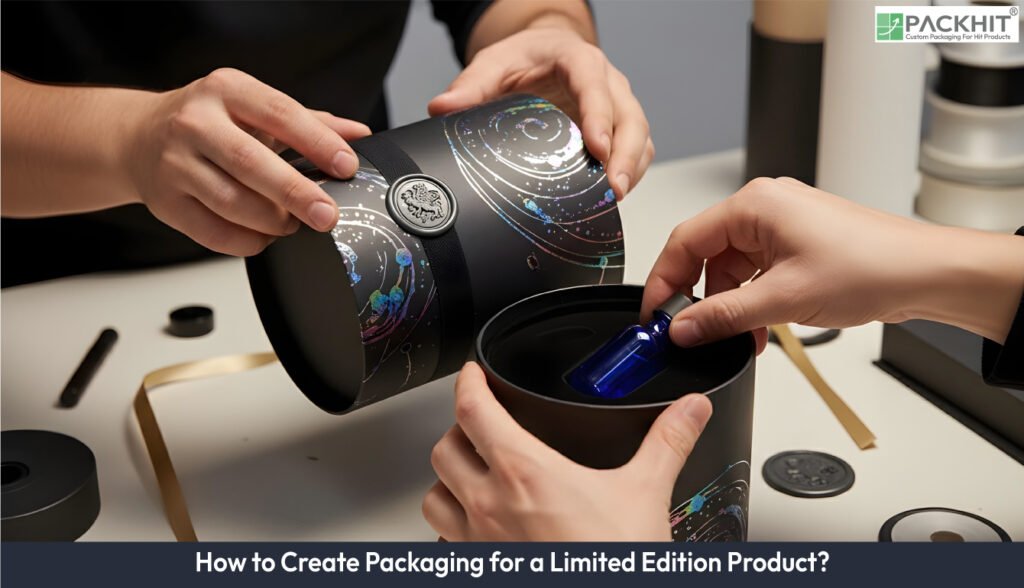
To create packaging for a limited edition product, brands use restricted quantities, alternate graphics, and fixed release windows to signal scarcity and drive short-term attention. Limited edition packaging approach follows a controlled design and production sequence that defines the concept, selects structure and finishes, and aligns artwork with short-run manufacturing limits. Limited edition packaging combines visual deviation, material contrast, and collector cues to separate small batches from the core range. Brands adopt packaging for a limited edition product to boost visibility, test themes with lower risk, and create time-bound demand tied to events, seasons, or collaborations.
- What is Limited Edition Packaging?
- How to Design Limited Edition Packaging?
- 1.Concept Definition
- 2. Theme Selection
- 3. Structural Choice
- 4. Artwork Preparation
- 5. Finish Selection
- 6. Prototype Review
- 7. Short‑run Validation
- What are the Characteristics of Limited Edition Packaging?
- What are the Benefits of Limited Edition Packaging?
- What are the Challenges of Limited Edition Packaging?
- What are the Design Strategies for Cost-Effective Limited Edition Packaging?
- Why Brands Choose Limited Edition Packaging for Products?
- What are the Emerging Trends in Limited Edition Packaging?
What is Limited Edition Packaging?
Limited edition packaging means a short‑count pack variant that uses restricted quantities and alternate graphics to signal rarity. Brands release these variants for fixed events or collaborations. Limited edition packaging serves two purposes as it marks a product as rarity‑driven, and it creates a temporary visual shift that separates a small batch from the main range. Manufacturers and brands use the packaging for a limited edition product during holidays, anniversaries or artist partnerships.
How to Design Limited Edition Packaging?
To design limited edition packaging, use a staged design process that defines the concept, tests feasibility, selects structure, prepares artwork, validates finishes, and aligns production with the restricted run size.
- Concept Definition
- Theme Selection
- Structural Choice
- Artwork Preparation
- Finish Selection
- Prototype Review
- Short‑run Validation
1.Concept Definition
Concept definition sets the purpose, quantity window and buyer group for the edition, and links these constraints to seasonal timing or collaboration cues from examples such as Dado Bier or Ename editions that released themed variants during specific campaigns.
2. Theme Selection
Theme selection sets visual direction with a reference point such as cultural cues, artist motifs or fermentation‑based graphics seen in Cacao Packaging Design examples. Theme alignment shapes palette, illustration density and icon placement.
3. Structural Choice
Structural choice sets, dieline format, board grade and component count. Structural options include cartons, sleeves or wrap formats, if the run demands lower tooling cost. Physical constraints determine finish compatibility and print stability.
4. Artwork Preparation
Artwork preparation sets panel layout, hierarchy of text, placement of limited‑edition badges and any serial numbers. Artwork rounds address prepress needs such as bleed, trapping and colour separation for short‑run print systems.
5. Finish Selection
Finish selection sets foil, emboss, spot varnish or textured coats. Finish density affects per‑unit cost in limited runs if the print method relies on separate set‑ups. Selective finishes maintain impact without raising cost out of range.
6. Prototype Review
Prototype review validates colour accuracy, finish adhesion and structural integrity across a handful of physical samples. Review checks alignment between design intent and production tolerance in low‑volume scenarios.
7. Short‑run Validation
Short‑run validation confirms the print method, run length and waste expectations. Validation includes plate checks, digital preflight or substrate calibration, if the edition requires tight colour control for collectors who track consistency across batches.
What are the Characteristics of Limited Edition Packaging?
The characteristics of limited edition packaging show how a restricted run signals scarcity, thematic variation, and collector intent.
- Quantity control: Fixed counts or narrow release windows are used in the brewery and confectionery industries.
- Theme variation: Seasonal or collaboration motifs drawn from cultural cues or artist references.
- Graphic deviation: Alternate palettes, illustration sets or icon clusters that differ from the core pack.
- Serialisation: Numbered panels or coded identifiers that track batch position.
- Material contrast: Selective foil, emboss or textured coats that mark the edition without changing the core structure.
- Collector signalling: Visual cues that indicate rarity, including limited‑run badges or small‑batch descriptors.
- Campaign alignment: Pack elements tied to a defined event, festival or partner release window.
What are the Benefits of Limited Edition Packaging?
The benefits of limited edition packaging are direct gains in attention, collector interest and short‑term demand, if the pack signals scarcity with clear visual cues.
- Attention lift: Unusual colours or themed graphics draw quick notice, as seen in Dado Bier and Ename editions that used alternate artwork during small campaigns.
- Seasonal fit: Themed artwork increases relevance during fixed events such as holidays or anniversaries.
- Brand recall: Distinct colours or motifs help buyers remember a product after a campaign ends.
- Trial prompt: Scarce packs encourage first‑time buyers who respond to fixed‑window releases.
- Price stability: Tight run sizes reduce discount pressure because stock clears within a defined window.
- Channel control: Small runs help retailers position exclusive variants for short spikes in demand.
What are the Challenges of Limited Edition Packaging?
The challenges of limited edition packaging are cost pressure, run‑size volatility, artwork complexity, finish sensitivity, sourcing delays, and collector‑level consistency checks.
- Cost pressure: Short runs raise per‑unit print cost, especially when foil, emboss, or textured coats mirror the dense artwork seen in small‑batch projects.
- Run‑size volatility: Forecast errors create overstock or shortages; restricted windows force quick recalibration of quantities when campaign demand shifts.
- Artwork complexity: Alternate palettes, illustrated panels and limited‑edition badges increase prepress rounds; colour separation and trapping steps multiply if serial numbers or variable data appear.
- Finish sensitivity: Spot varnish, foil and textured coatings behave inconsistently on different substrates; adhesion issues appear during low‑volume set‑ups where operators lack stabilisation time.
- Sourcing delays: Special substrates, sleeves or pigments extend lead times; a fixed release window leaves little buffer for procurement slip.
- Collector‑level consistency: Buyers compare batches and detect small shifts in tint or line weight; tight colour control matters if packs attract hobbyist collectors who track variation across runs.
What are the Design Strategies for Cost-Effective Limited Edition Packaging?
The design strategies for cost‑effective limited edition packaging centre on controlled artwork changes, fixed structures, and restricted finish zones that keep per‑unit cost steady in small runs.
- Control artwork density through limited colour shifts and compact illustration.
- Reuse base structures such as existing cartons or sleeves that require no new tooling; this stabilises cost across fixed‑count editions.
- Restrict finish zones to narrow panels so that foil or textured coats sit only where contrast is required; this reduces set‑up waste in low‑setup print methods.
Why Brands Choose Limited Edition Packaging for Products?
Brands choose limited edition packaging because it increases short‑term demand, sharpens collector interest, and creates a fixed‑window spike in visibility. Scarcity cues push buyers to act inside a narrow release window, and small‑batch artwork such as the Ename editions or the Cacao Packaging Design variants shows how alternate graphics attract attention without replacing the core pack. Limited runs help UK manufacturers test themes with restricted risk if the artwork sits on an existing structure. Retailers position these variants as time‑bound picks, and collectors track numbered batches or coded identifiers that appear on small campaigns. Brands use this format to rotate seasonal motifs, revisit collaborations or push limited colours that sit outside the everyday range. The approach works because it compresses attention into a defined period and links a product to a specific event or cue.
What are the Emerging Trends in Limited Edition Packaging?
Emerging trends in limited edition packaging centre on short digital runs, variable artwork, and collector‑grade detailing. Brands push micro‑batches that use digital presses for 2K–6K print ranges that gained measurable attention through alternative graphics. Variable panels, textured coats and artist‑linked motifs rise in use if the run depends on rapid switching without new tooling.
Does limited edition packaging guarantee higher sales for brands?
No, limited edition packaging does not guarantee higher sales for brands because demand varies by theme strength, release timing and collector activity.