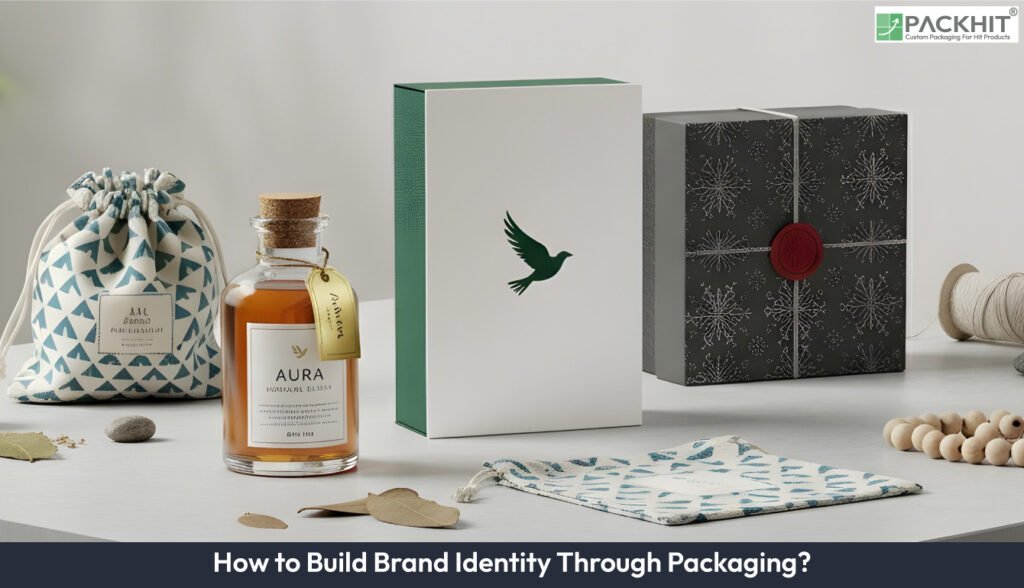
To build brand identity via packaging, begin by enforcing visual consistency as an operational rule, fixing colour systems with Pantone standards, and structuring typography and graphic language as repeatable physical systems. Brand positioning is then signalled through material choices and fixed structural forms that support shelf recognition and tactile familiarity. Identity strength is preserved by stabilising core elements during refreshes and launches while governing production through clear tolerances and supplier controls. Sustainable materials can maintain this consistency when systems adapt to substrate behaviour, simplified palettes, and controlled finishes.
- 1. Enforce Visual Consistency
- 2. Control Colour Systems
- 3. Structure Typography
- 4. Standardise Illustration and Graphic Language
- 5. Signal Brand Positioning Through Material Choice
- 6. Fix Structural Form for Shelf Recognition
- 7. Stabilise Identity During Refreshes and Launches
- 8. Govern Identity Across Production Cycles
- How Does Sustainable Packaging Affect Brand Identity Consistency?
1. Enforce Visual Consistency
Visual consistency in packaging helps people recognise a brand quickly. Using the same colours, the same fonts, and the same layout on every box or pouch makes the product easier to spot on a shelf. When these elements stay the same, buyers spend less time searching and less time comparing similar items.
The same rules apply to parts people see when they open the package, such as flaps, inserts, and bottom panels, staying visible during use or disposal. Using different colours or fonts in these places weakens the main brand message and creates confusion.
2. Control Colour Systems
Packaging colours stay consistent only when brands use fixed colour standards. Pantone numbers give printers a clear colour reference that stays the same across materials such as SBS board, uncoated kraft paper, and plastic film. This issue occurs when colour approval depends only on screen previews rather than printed output. Those previews display RGB light values, while packaging uses CMYK inks on absorbent substrates. Different materials, for example, coated SBS, uncoated kraft, and recycled board, absorb ink at different rates, which alters shade, density, and brightness.
That variability increases when the same artwork runs across multiple suppliers or press types, such as offset lithography, digital presses, and flexographic lines. Stable brand colour, therefore, depends on printed samples or press checks on the final packaging material, where ink gain, dot spread, and coating interaction become visible before full production.
3. Structure Typography
Typography in packaging works as a clear structure based on size and spacing. People recognise a brand when the headline size, net weight text, and margins follow the same scale on every pack. The font choice matters less than keeping these size relationships consistent. This structure helps buyers read key details without effort. It also keeps the layout familiar across different products.
Packaging often includes legal text, ingredient lists, and multiple languages, for example, nutrition panels and safety warnings. These elements compete for limited space. Fixed text hierarchy and spacing rules keep all content readable. This control prevents crowded layouts and protects brand recognition.
4. Standardise Illustration and Graphic Language
Illustration builds brand identity only when the same visual rules stay in place. A brand keeps the same line thickness, drawing style, viewing angle, and colour use on every package. These shared rules make different products look related, even when the size or format changes. The same illustration style appears on boxes, pouches, and labels, so the brand stays easy to recognise. Small changes are used only to show product differences such as flavour, function, or strength. This control keeps variety clear while the main identity stays intact.
5. Signal Brand Positioning Through Material Choice
Material choice shows a brand’s position through touch and surface appearance. The board thickness, the surface feel, and the coating type give buyers early signals about strength, price level, and product category before they read any text. A heavier board suggests protection and long-term use, while a lighter board suggests simplicity or refill use.
Uncoated boards often connect with natural or sustainable products, for example, food cartons and basic household refills. Gloss or soft-touch coatings usually appear on electronics boxes and cosmetic packaging, where surface protection matters. Brand identity stays clear when the same materials repeat across outer boxes, inner trays, and inserts.
6. Fix Structural Form for Shelf Recognition
Structural form builds brand identity when the same package shape appears again and again. The same height, width, and opening style help buyers recognise a product quickly on a shelf. This repeated structure makes different products from the same brand look related. When boxes line up evenly, the brand looks organised and easy to spot. Small changes in size or closures break that order and slow recognition. Brands that use a few fixed box shapes across products create a clearer shelf presence.
7. Stabilise Identity During Refreshes and Launches
Packaging keeps brand identity steady during design updates and new product launches. A brand stays familiar when the box shape, layout order, and main colours stay the same while only graphics or text change. This approach helps consumers recognise the product in the same category without confusion.
A new product often becomes the first point of contact for a buyer. Clear text order, a limited colour set, and the same materials as existing products support faster recognition and repeat buying.
8. Govern Identity Across Production Cycles
Brand identity through packaging stays consistent only when production rules stay clear and repeatable. A brand sets clear limits for colour variation, material type, ink density, and finishing methods so each print run looks the same. These rules guide printers beyond visual samples and reduce guesswork during production. When the same standards apply to boxes, labels, and inserts, the packaging keeps a stable appearance.
Different suppliers often produce small changes in colour and surface finish, even from the same files. Regular sample checks across printers catch these changes early, and control keeps the brand looking stable over time and across suppliers.
How Does Sustainable Packaging Affect Brand Identity Consistency?
Sustainable packaging affects brand identity consistency by changing how colours and surfaces appear. Recycled materials, such as post-consumer kraft board and mixed-fibre SBS, show more colour variation than virgin materials. The surface texture of these boards is less even, which alters ink spread and brightness. Because of this change, brands use wider colour tolerances and fewer colours. Simple layouts and thicker lines keep graphics clear on uneven surfaces. These adjustments help the packaging stay recognisable across different sustainable materials.
Can Eco-friendly Materials Maintain the Same Visual Standards as Conventional Packaging?
Eco-friendly materials maintain visual standards when identity systems account for substrate behaviour. Uncoated recycled paperboard, compostable films, and water-based inks reproduce colour with lower saturation, which favours reduced palettes, heavier line weights, and controlled contrast.