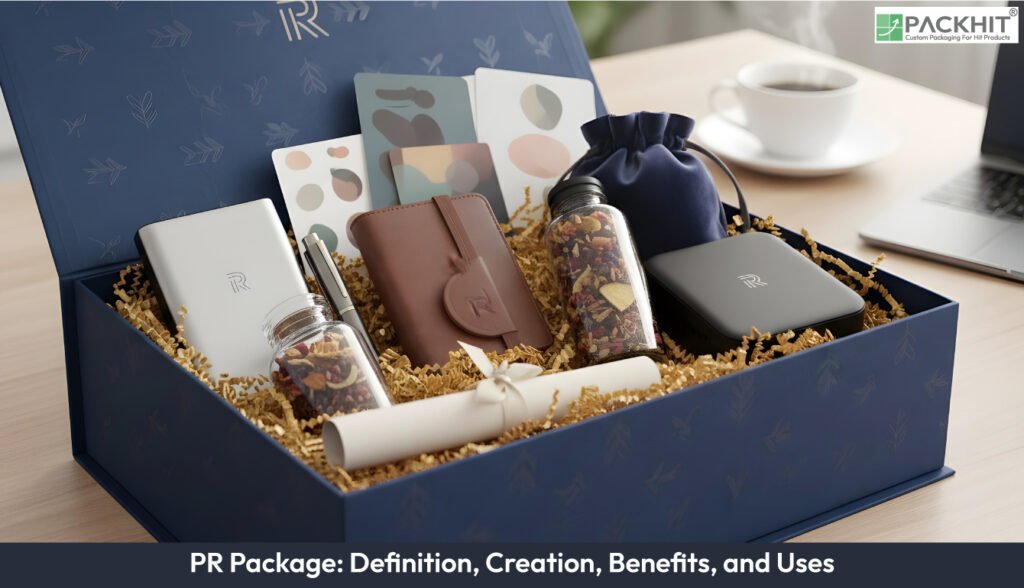
A PR package is a curated, branded shipment sent to influencers, media, or retailers to generate earned coverage through controlled product presentation and physical interaction. Creating a PR package follows a structured process that aligns campaign objectives, product selection, packaging design, recipient targeting, delivery timing, and performance tracking. The benefits of PR packages include increased brand visibility, stronger word-of-mouth, controlled messaging, higher perceived product value, and cost-efficient media exposure. PR packages appear in multiple formats such as influencer seeding boxes, media press kits, product launch packages, event-based kits, and retailer sampling packs, each serving a specific distribution goal. Brands use PR packages to encourage authentic influencer and media content by enabling hands-on testing, visual storytelling, and targeted audience reach through earned media rather than paid advertising.
- What is a PR Package?
- How to Create PR Packages?
- 1. Define the Campaign Objective
- 2. Select the Right Product and Inclusions
- 3. Design Branded and Protective Packaging
- 4. Plan the Unboxing Sequence
- 5. Identify and Verify Recipients
- 6. Coordinate Timing and Delivery
- 7. Track Coverage and Feedback
- What are the Benefits of a PR Package?
- Increased Brand Visibility
- Message Control Through Packaging
- Stronger Word-of-Mouth Marketing
- Higher Perceived Product Value
- Cost-Efficient Media Exposure
- What are the Examples of PR Packages?
- Influencer Seeding Boxes
- Media Press Kits
- Product Launch PR Packages
- Event-Based PR Packages
- Retail and Buyer Sampling Kits
- Why do Brands Send PR Packages to Influencers?
What is a PR Package?
A PR package (Public Relations package) is a curated set of branded materials sent to selected recipients, such as influencers, journalists, or retailers, to encourage coverage or discussion. It typically includes a product sample, printed information, and purpose-designed packaging that controls how the message and product are revealed. The format supports physical interaction, photography, and timed unboxing, helping shape how the content is presented. The primary purpose of a PR package is to generate earned media through targeted, relevant distribution rather than mass outreach.
How to Create PR Packages?
To create PR Packages, brands follow a defined production and distribution process that links packaging design, product selection, and recipient targeting. The process focuses on clarity, physical presentation, and measurable media outcomes rather than decorative excess.
- Define the Campaign Objective
- Select the Right Product and Inclusions
- Design Branded and Protective Packaging
- Plan the Unboxing Sequence
- Identify and Verify Recipients
- Coordinate Timing and Delivery
- Track Coverage and Feedback
1. Define the Campaign Objective
Defining the campaign objective sets the measurable outcome for the PR package, such as product reviews, social media posts, or press mentions. Objectives determine the quantity, timing, and recipient profile. Clear goals reduce mismatched coverage and off-message content, while also guiding packaging decisions such as box size and insert quantity.
2. Select the Right Product and Inclusions
Selecting the right product and inclusions determines what the recipient physically interacts with during the unboxing experience. Inclusions typically consist of one core product, supporting items, and printed materials such as usage cards or specification sheets. Relevant inclusions support accurate demonstrations and photography, while excessive items dilute attention and complicate messaging.
3. Design Branded and Protective Packaging
Designing branded and protective packaging controls first impressions and ensures product safety during transit. Structural options include rigid boxes, corrugated cartons, and moulded inserts, selected based on product weight and fragility. Printed surfaces display branding, colour systems, and compliance information. Effective protection reduces damage rates and replacement costs.
4. Plan the Unboxing Sequence
Planning the unboxing sequence defines how information and products are revealed as layers are removed. This includes the use of lids, tissue wraps, compartments, and insert placement. A controlled sequence reduces confusion and misrepresentation during filming or photography and supports consistent visual presentation across recipients.
5. Identify and Verify Recipients
Identifying and verifying recipients ensures distribution is limited to relevant influencers, journalists, or buyers. Verification typically checks audience size, content focus, and prior brand alignment. Targeted selection improves coverage relevance and reduces wasted units. Recipient lists are often tiered, such as micro-influencers and trade press.
6. Coordinate Timing and Delivery
Coordinating timing and delivery aligns package arrival with launch dates or embargo periods. Logistics planning includes carrier selection, tracking, and regional delivery windows. Well-timed delivery increases simultaneous posting and media clustering, while poor timing reduces campaign impact.
7. Track Coverage and Feedback
Tracking coverage and feedback measures the output generated by each PR package. Key metrics include post volume, impressions, referral traffic, and product mentions. Physical feedback identifies issues such as packaging damage, unclear instructions, or missing materials. This data supports improvements in future PR packaging campaigns.
What are the Benefits of a PR Package?
The benefits of a PR package include increased brand visibility, controlled product messaging, measurable word-of-mouth reach, and higher perceived product value through physical presentation.
Increased Brand Visibility
Increased brand visibility comes from physical exposure across digital and offline channels, including Instagram posts, YouTube unboxings, and press photography. Each shared image or video multiplies impressions without paid placement. Visual repetition of logos, colours, and materials reinforces brand recall. Targeted distribution keeps visibility concentrated within a defined audience segment.
Message Control Through Packaging
Message control through packaging occurs by sequencing how information is revealed during unboxing. Inserts, printed guides, and compartment layouts dictate product context and usage framing. This structure reduces misinterpretation compared to loose product sampling. Controlled presentation supports accurate media coverage and consistent product descriptions.
Stronger Word-of-Mouth Marketing
Stronger word-of-mouth marketing develops when recipients share tangible products rather than digital files. Physical interaction increases discussion depth, including texture, weight, and usability feedback. Peer-to-peer recommendations carry higher trust than sponsored adverts. Earned mentions continue circulating after the initial campaign window.
Higher Perceived Product Value
Higher perceived product value results from material quality, print finishes, and structural design. Rigid boxes, foam inserts, and branded wrapping signal pricing tier and product care. Presentation influences the first judgement before product testing begins. This perception supports premium positioning in competitive retail categories.
Cost-Efficient Media Exposure
Cost-efficient media exposure is achieved by replacing repeat advertising spend with one-time packaging production. A single package can generate multiple content formats, including photos, videos, and written reviews. Distribution to selected recipients reduces wastage. Exposure scales organically as content is reshared.
What are the Examples of PR Packages?
The examples of PR packages include influencer seeding boxes, media press kits, product launch packages, event-based PR packages, and retailer sampling kits. Each format serves a defined distribution goal, packaging structure, and media outcome.
Influencer Seeding Boxes
Influencer seeding boxes involve sending a single product or a small range to content creators with a defined audience. These boxes typically use branded rigid packaging, custom inserts, and printed usage notes to guide filming and photography. Distribution targets niche creators to maintain audience relevance and control posting context. Common outcomes include unboxing videos, short-form social media posts, and tagged product mentions.
Media Press Kits
Media press kits are designed for journalists, editors, and reviewers who require factual accuracy. They include product samples, specification sheets, press releases, and high-contrast packaging suitable for photography. Packaging prioritises protection and clear labelling over decorative elements. Typical coverage outputs include written reviews, product roundups, and features in trade or consumer publications.
Product Launch PR Packages
Product launch PR packages support timed releases linked to embargo dates or retail availability. These packages use structured unboxing sequences to reveal the product, key features, and launch messaging in a controlled order. Packaging often includes countdown cards, launch dates, and layered reveals. This format concentrates online posts and media coverage within a defined release window.
Event-Based PR Packages
Event-based PR packages align with trade shows, brand activations, or seasonal campaigns. Packaging references the event theme through colour schemes, printed materials, and limited-run designs. Contents on event based PR packages may include event-exclusive products or date-specific inserts.
Retail and Buyer Sampling Kits
Retail and buyer sampling kits target wholesale buyers, distributors, and category managers. These kits present products alongside pricing information, compliance documentation, and shelf requirements. Packaging prioritises clarity, stackability, and durability for transit. Outcomes of PR packages include listing discussions, range trials, and in-store placement decisions.
Why do Brands Send PR Packages to Influencers?
Brands send PR packages to influencers to generate earned media through authentic product exposure, including unboxing videos, product reviews, and tagged social media posts. Physical packages allow hands-on testing, improving content accuracy and visual documentation. Targeted distribution ensures word-of-mouth reaches defined audience segments, while controlled packaging presentation helps maintain on-message product portrayal.