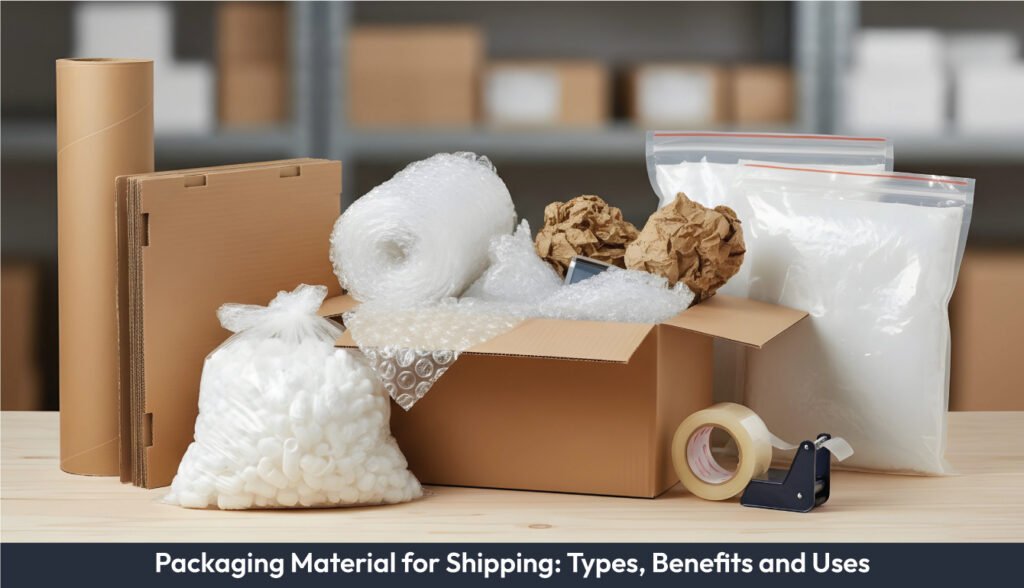
Packaging material for shipping includes corrugated fibreboard, solid board, polymer films, foams, air cushions, paper-based void fill, tapes, and timber components to contain products and protect them from shock, moisture, abrasion, and stacking pressure. Corrugated boxes deliver strength and stability, while films, foams, and air cushions provide cushioning and surface protection, and paper void-fill supports easy recycling. These materials offer key benefits such as impact control, load stability, moisture resistance, simplified disposal, and reduced damage risk across courier and pallet networks. Their uses span containment, cushioning, finish protection, void management, branding, and return readiness so products stay aligned, identifiable, and intact during transit.
Selecting the right materials requires matching product fragility with route conditions, moisture exposure, protection goals, and sustainability targets, supported by drop, vibration, and compression testing. International shipping adds needs for stronger protection, humidity resistance, regulatory compliance, dimensional efficiency, and durable documentation. Recycling trends now favour mono-material designs, higher recycled content, and cleaner chemistries while maintaining reliable performance from staples like sturdy boxes, bubble wrap, and secure tape.
- Which Packaging Material Types are Used for Shipping?
- 1. Corrugated Fibreboard
- 2. Solid Board (chipboard)
- 3. Polymer Films
- 4. Foams and Elastomers
- 5. Air‑based Cushions and Void Fill
- 6. Paper‑based Void Fill
- 7. Closure and Reinforcement
- 8. Timber and Metal Components
- What are the Common Benefits of Packaging Materials for Shipping?
- Impact Control
- Surface Protection
- Moisture Resistance
- Load Stability
- Simplified Disposal
- Damage Avoidance through Correct Material Choice
- What are the Uses of Packaging Materials for Shipping?
- Containment of Individual Items
- Shock and Impact Reduction
- Surface and Finish Protection
- Void Management and Load Stability
- Brand Identification and Compliance Marking
- Return and After‑use Handling
- Customer‑facing Presentation
- How Should You Select Packaging Material for a Shipment?
- What Recycling Trends Shape Material Choice for Shipping?
Which Packaging Material Types are Used for Shipping?
Corrugated fibreboard, solid board, polymer films, foams, air cushions, paper-based void-fill, tapes and timber components are the principal elements used to form shipping packages.
1. Corrugated Fibreboard
Corrugated fibreboard forms a fluted medium between two liners and produces single‑wall, double‑wall or triple‑wall structures with A, B, C, E or F flute profiles. Corrugated fibreboard carries bending stiffness, stack capacity and energy absorption that suit parcel and pallet handling. Virgin or recycled liners, coated surfaces for moisture control and kraft or printed exteriors change performance and appearance. Sturdy boxes made from corrugated fibreboard keep items contained if shock or compression loads occur, and they reduce damage during transit.
2. Solid Board (chipboard)
Solid board produces a dense paperboard sheet for folding cartons, trays and sleeves. Solid board gives a smooth print face and stable dimensions, although its compressive strength per millimetre is lower than that of corrugated grades. Solid board helps apparel, cosmetics and compact electronics stay aligned inside an outer transit box.
3. Polymer Films
Polymer films include LDPE, HDPE, BOPP and PET layers that block moisture and form liners, polybags and mailers. Polymer films vary by thickness, tensile strength and water‑vapour transmission. Polymer films secure loose items, if goods require sealed containment, and they complement bubble wrap or pillows when moisture exposure is a risk.
4. Foams and Elastomers
Foams and elastomers include EPS, EPE and polyurethane cushions cut into inserts or sheets. Foams and elastomers control shock by density, compression set and energy absorption. Foams and elastomers stabilise fragile parts if repeated impacts occur in courier networks where handling intensity fluctuates.
5. Air‑based Cushions and Void Fill
Air‑based cushions and void fill include inflatable pillows and bubble film supplied on rolls. Air‑based cushions and void fill create volumetric displacement with minimal mass and limit side movement of goods. Air‑based cushions and void fill give fragile products, such as ceramics or cosmetics, basic impact control in lightweight transit packs.
6. Paper‑based Void Fill
Paper‑based void fill includes crumpled kraft, corrugated pads and shredded paper used to stabilise loads. Paper‑based void fill suits fibre‑based shipping systems, and it works well if moisture conditions stay moderate. Paper‑based void fill helps brands that target simplified recycling streams.
7. Closure and Reinforcement
Closure and reinforcement include pressure‑sensitive tapes, water‑activated kraft tapes and strapping. Closure and reinforcement secure seams if vibration or top‑loading occurs. Closure and reinforcement add joint strength where corrugated liners meet and reduce box opening during multi‑stop handling.
8. Timber and Metal Components
Timber and metal components include pallets, crates and banding systems for heavy or bulky freight. Timber and metal components create stable handling interfaces and high compression paths for machinery, appliances or stacked cases. Timber and metal components require ISPM‑15 compliance if used in international shipments.
What are the Common Benefits of Packaging Materials for Shipping?
Common benefits of packaging materials for shipping include impact control, surface protection, moisture resistance, load stability and simplified disposal. These benefits arise from predictable material behaviour under compression, vibration, abrasion and humidity during courier or pallet handling.
Impact Control
Impact control limits shock transfer during drops and conveyor impacts. Impact control comes from corrugated walls, bubble film or foam inserts that deform and re-form after loading. Impact control reduces fracture risk for fragile categories such as ceramics, glass, skincare bottles or compact electronics.
Surface Protection
Surface protection prevents scuffing or abrasion on printed cartons, coated items or apparel. Surface protection comes from polymer films, tissue layers or bubble wrap that isolate surfaces from friction points. Surface protection supports brand presentation if retail-ready goods sit inside an outer box.
Moisture Resistance
Moisture resistance limits fibre swelling and print damage during storage or wet-handling events. Moisture resistance comes from polymer films, reinforced liners or composite mailers that block water-vapour transmission. Moisture resistance helps apparel, documents and hygroscopic powders retain integrity if condensation or rain exposure occurs.
Load Stability
Load stability restricts lateral movement and top‑load deformation in transit. Load stability comes from void‑fill, structural fluting and tapes that keep cartons closed during vibration. Load stability prevents corner crush if parcels stack in multi-stop carrier networks.
Simplified Disposal
Simplified disposal reduces sorting effort for customers. Simplified disposal comes from mono-material packs—such as kraft fibreboard or LDPE mailers—that enter straightforward recycling streams. Simplified disposal decreases post‑delivery friction if consumers repack returns or recycle boxes.
Damage Avoidance through Correct Material Choice
Damage avoidance through correct material choice links material selection with product fragility. Damage avoidance through correct material choice reflects insights from where sturdy boxes, bubble wrap and reliable tape act as preventive components. Damage avoidance through correct material choice supports consistent delivery quality if goods vary in mass or shape.
What are the Uses of Packaging Materials for Shipping?
Packaging materials for shipping support containment, protection and identification across transport steps. Uses vary by product fragility, moisture sensitivity and handling intensity, and they link material choice with predictable performance during courier, pallet or mixed‑mode movements.
Containment of Individual Items
Containment keeps products grouped and aligned. Corrugated cartons, polybags and rigid inserts hold items together during loading and unloading. Containment prevents loose movement if cartons rotate or tilt on conveyors.
Shock and Impact Reduction
Shock and impact reduction limit fracture or deformation. Bubble wrap, EPE sheets and inflatable pillows absorb drop energy and reduce contact stress on fragile parts such as ceramics, glass bottles or compact electronics.
Surface and Finish Protection
Surface and finish protection shields printed cartons, coated articles or apparel from abrasion. Polymer films, tissue layers and kraft wraps isolate surfaces from friction points inside cartons.
Void Management and Load Stability
Void management and load stability reduce side movement and top‑load distortion. Crumpled kraft, corrugated pads and air pillows create controlled spacing and restrict product shift during vibration.
Brand Identification and Compliance Marking
Brand identification and compliance marking support carrier routing and regulatory checks. Printed boxes, labels and barcodes display origin data, SKU codes and hazard statements where needed.
Return and After‑use Handling
Return and after‑use handling simplifies customer actions after delivery. Mono‑material boxes or LDPE mailers enter recycling streams with minimal sorting, and intact packaging allows repacking if returns occur.
Customer‑facing Presentation
Customer‑facing presentation maintains product appearance at unboxing. Sturdy boxes, bubble wrap and reliable tape keep items intact and maintain consistent presentation, if products experience pressure or vibration.
How Should You Select Packaging Material for a Shipment?
Select packaging by matching mechanical and environmental behaviour to product risk and the transport profile. Use sturdy boxes, bubble wrap and reliable tape if product fragility is high, because these items prevent damage and keep parcels stable.
- Characterise the product — Measure dimensions, mass, and fragility. Use a 1–5 fragility scale that appears in packaging specifications, if the product category varies.
- Define the transit profile — Identify parcel, pallet or ocean routes. Set handling intensity and storage duration. Increase moisture and salt resistance, if the route includes ocean freight.
- Set objectives — Rank protection, dimensional efficiency, cost or sustainability. Balance heavier, stronger materials against lighter, lower‑cost formats.
- Design candidate packs — Choose RSC, full‑overlap or telescopic box styles. Set the board grade and internal supports. Select film construction or foam density for cushioning.
- Prototype and test — Run drop, vibration and compression tests that match the transit profile. Adjust designs until they meet the required margins.
- Scale and control — Fix conversion tolerances, print colour profiles and adhesive specifications. Run periodic quality checks on incoming material.
What Should be Considered for International Shipping?
The things that should be considered for international shipping include transit protection, regulatory alignment, humidity resistance, dimensional control and documentation stability. International shipments bring long routes, multiple handling points and higher exposure to impact. Transit protection relies on sturdy boxes, bubble wrap and reliable tape, because these materials absorb vibration and prevent product shift if carriers change vehicles or stack loads. Humidity resistance depends on polymer films, reinforced liners or sealed pouches that slow fibre swelling if sea freight introduces salt spray. Regulatory alignment covers ISPM‑15 treatment on timber, country‑specific labelling and harmonised tariff codes that control customs checks. Dimensional control trims volumetric charges through compact carton styles or reduced void-fill. Documentation stability keeps packing lists and invoices legible in transit through external pouches or moisture‑resistant labels that survive abrasion. These considerations link material choice with product sensitivity and expected handling intensity across borders.
What Recycling Trends Shape Material Choice for Shipping?
Current recycling trends reduce material complexity and raise recycled content while keeping functional performance steady. Mono‑material packs improve sorting because single‑polymer films enter mechanical recycling without mixed layers. Recycled‑content liners trim embodied carbon if compression and puncture values remain stable. Digital printing cuts minimum runs and limits obsolete stock. Adhesives and inks move toward aqueous or low‑VOC chemistries for cleaner reprocessing. Compostable biopolymers require industrial composting if they are used, while mechanically recyclable polyolefins depend on film‑collection schemes. Sturdy boxes, bubble wrap and reliable tape stay relevant in these systems because they give predictable impact control during transit and still align with common recycling workflows.